Producing Basin
Permian Basin mineral owners in West Texas and southeast New Mexico: see why institutional capital concentrates here, and how inventory duration shapes value.
Delaware Basin mineral owners in West Texas and southeast New Mexico: how buyers price deep, stacked Wolfcamp and Bone Spring inventory before an offer.
Midland Basin mineral owners in the eastern Permian: some of the most heavily drilled acreage in the country, where remaining inventory drives real value.
Eagle Ford Shale mineral owners in South Texas: a mature but active oil, condensate, and gas play, where window position drives what your interest is worth.
Barnett Shale mineral owners in the Fort Worth Basin: this founding shale gas play is mature and gas-price sensitive, which changes how your interest should be valued.
Own Anadarko Basin minerals in Oklahoma or the Texas Panhandle? See how a portfolio buyer prices stacked, multi-formation interests before you sign anything.
SCOOP and STACK mineral owners in central Oklahoma: stacked Woodford and Meramec pay with strong operator history, and gas-price cyclicality in your valuation.
Haynesville Shale mineral owners in East Texas and Louisiana: LNG export growth on the Gulf Coast has kept this deep gas play active, and that matters for value.
Bakken mineral owners in the Williston Basin: see how a firm underwrites Middle Bakken and Three Forks inventory and spacing units before making an offer.
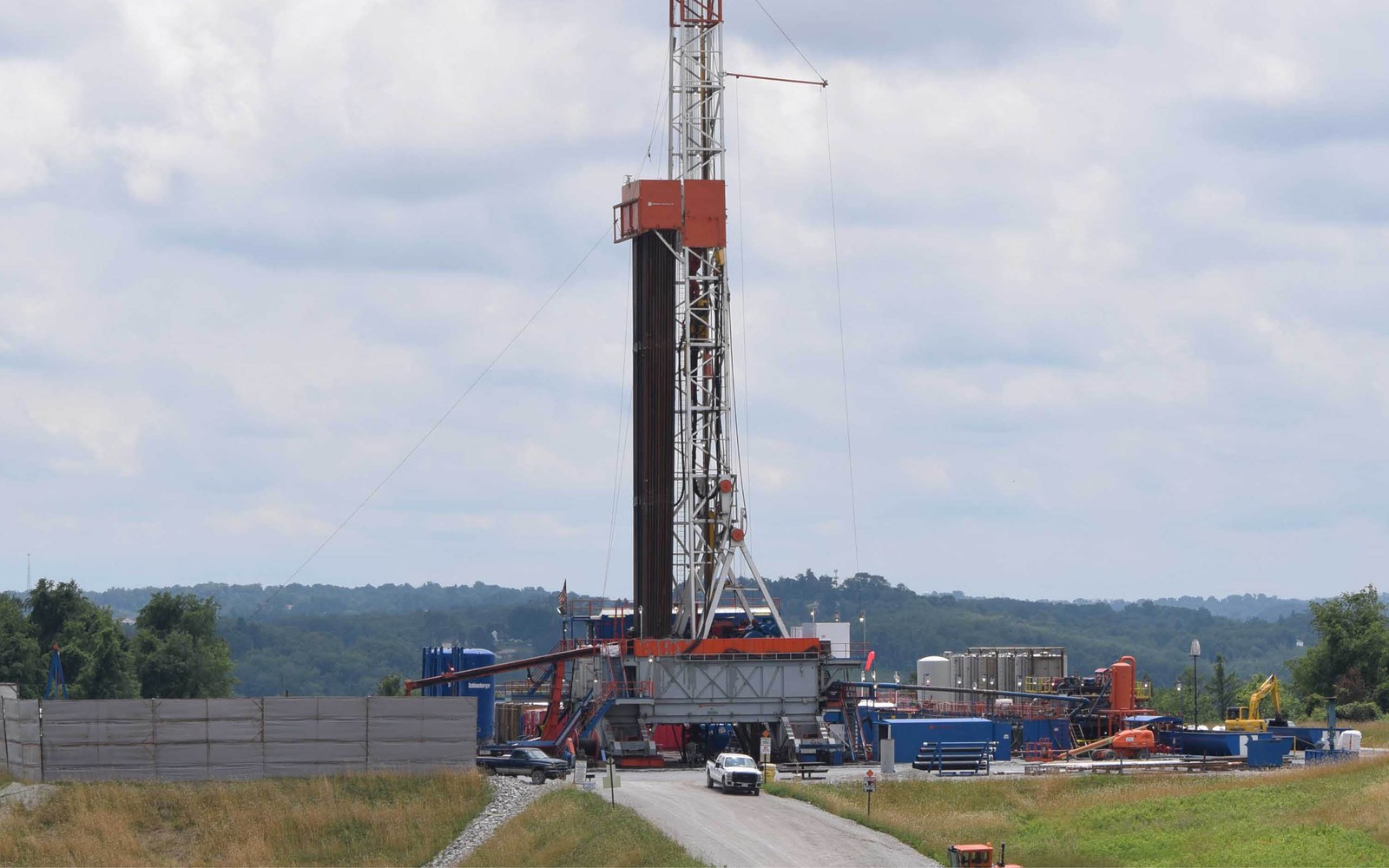
Marcellus Shale mineral owners in Pennsylvania and West Virginia: pipeline capacity has shaped this basin's development, and that history should inform your valuation.
Utica Shale mineral owners in eastern Ohio: a deep, liquids-rich sister play to the Marcellus, with a dry gas core and wet gas window priced differently.
DJ Basin mineral owners in Colorado, Wyoming, and Nebraska: setback rules have reshaped this basin, and pricing needs to reflect current regulatory reality.
Powder River Basin mineral owners in Wyoming and Montana: coalbed methane legacy sits alongside newer horizontal Niobrara and Turner drilling in your valuation.
Niobrara chalk mineral owners across Colorado, Wyoming, and Nebraska: this formation spans several basins, and valuation depends on which one you sit in.
San Juan Basin mineral owners in New Mexico and Colorado: one of the oldest gas basins in the country, mature and largely finished drilling.
Piceance Basin mineral owners in western Colorado: a mature tight gas basin with limited current drilling, and what that means for a realistic valuation.
Uinta Basin mineral owners in Utah: this waxy-crude play depends on rail logistics, and expanding rail capacity is changing how buyers value acreage.
Fayetteville Shale mineral owners in Arkansas: Southwestern Energy's pullback left this dry gas play mature and lightly drilled, which should shape your valuation.
Smackover Formation mineral owners in Arkansas and Louisiana: a historic oil formation now drawing lithium brine interest, changing how interests get valued.
Tuscaloosa Marine Shale mineral owners in Louisiana and Mississippi: most operators exited this high-cost play, so a valuation should rest on salvage value.
Antrim Shale mineral owners in northern Michigan: this mature, shallow gas play behaves differently from a boom county, and pricing should reflect that slow decline.
Black Warrior Basin coalbed methane owners in Alabama: a small, mature basin with limited institutional bidding, and what that means for your interest.
Green River Basin mineral owners in Wyoming: tight gas fields like Pinedale and Jonah carry dense pay and long-lived wells, and pricing should reflect that.