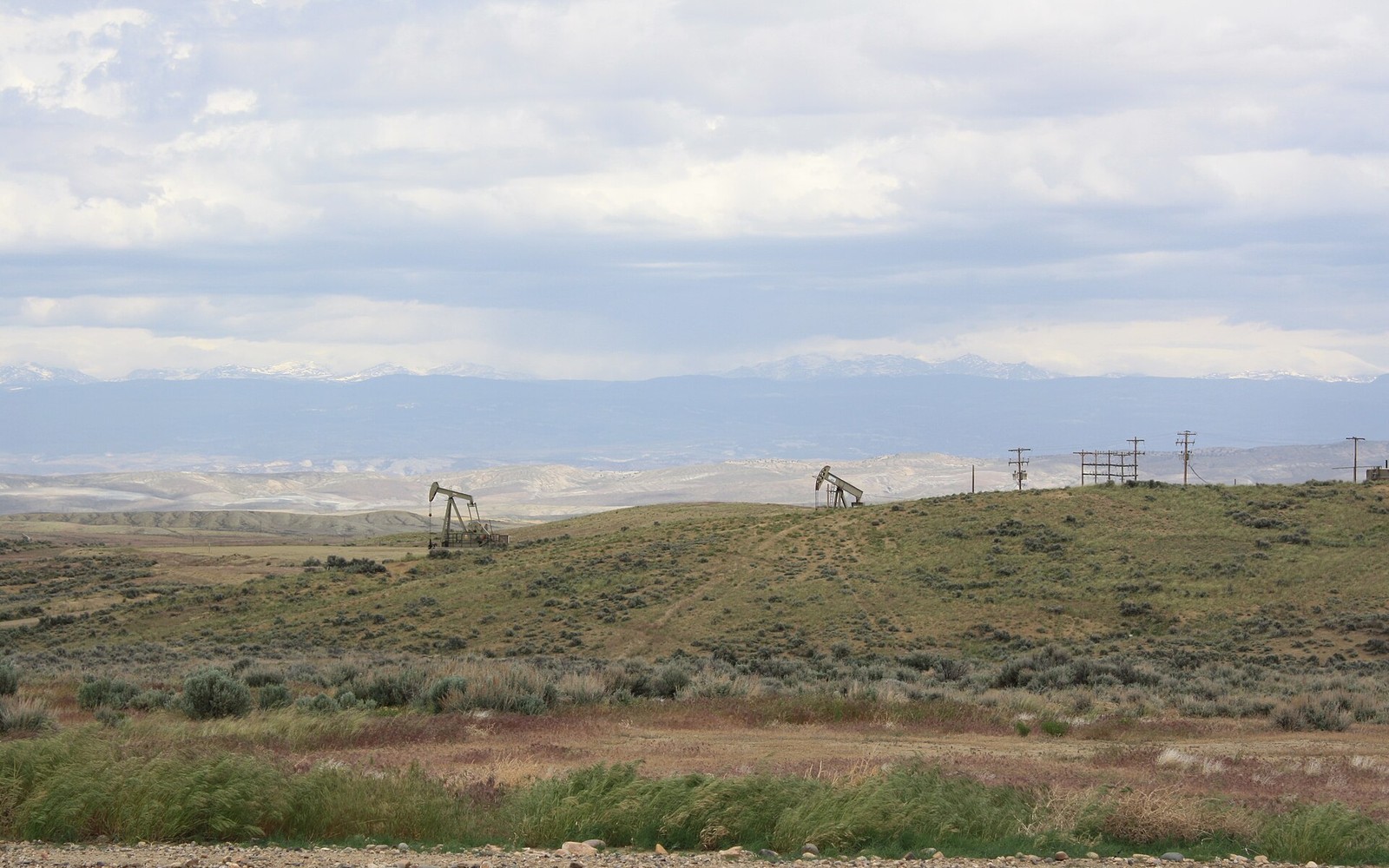
Green River Basin Mineral Rights
Pinedale and Jonah made the Green River Basin one of the most productive tight gas fields in the country, and the basin's long, dense pay column still matters for valuation today.
Southwest Wyoming's Green River Basin holds some of the thickest, most productive tight gas sand sequences in the Rockies, developed most intensively in the Pinedale Anticline and Jonah Field starting in the 1990s and 2000s. These fields are known for stacked, closely spaced sand intervals that support dozens of individual pay zones within a single wellbore, a structure that behaves differently from a typical shale play with one or two target zones.
A mineral owner in Sublette or Sweetwater County is often sitting on production from a well that has already been completed across many of those individual sand intervals, which means the valuation conversation centers less on 'will more wells be drilled' and more on 'how much productive life remains in the wells and zones already in place.'
Why tight gas wells behave differently
Pinedale and Jonah wells are typically completed across dozens of individual sand lenses, unlike a shale well that produces from a single continuous formation. That stacked, multi-zone completion style gives these wells unusually long, slow decline curves once they move past their early production years, since depletion happens gradually across many separate reservoirs rather than one.
For an owner, that translates into royalty income that tends to be more stable, if slower-growing, than a typical shale interest, which is a meaningful factor in how a buyer models the remaining value of your specific tract.
A gas-heavy basin with limited new drilling
Development in the Green River Basin has slowed considerably from its 2000s peak, and new permitting has been modest for a number of years, partly reflecting sustained low natural gas prices and partly reflecting how mature the core fields already are. A buyer underwriting your interest is largely pricing existing, long-lived production rather than betting heavily on new drilling.
What matters most in a valuation here
Because this basin is dry gas and mature, Henry Hub pricing has an outsized effect on near-term royalty income, and remaining reserve life on existing wellbores matters more than speculative new-well upside. A buyer with a clear read on how many productive zones remain unexploited in your specific wellbore, versus how many have already been drained, is in a better position to offer a fair, well-supported number.
Confirming operator and payment history
Operators active in the basin, including Ultra Petroleum's successors and other independents working Pinedale and Jonah acreage, have varied in how consistently they report and pay royalties over the years. Reviewing your recent check history for gaps or adjustments, and confirming your current operator of record, gives a buyer a clearer basis for pricing your specific interest than the basin's reputation alone.
Why documentation matters more in a quiet basin
With limited new drilling to generate fresh public data, older division orders, historical check stubs, and any correspondence from your operator carry more weight in establishing a fair valuation than they would in a more actively documented, frequently permitted basin. Gathering that paperwork before requesting an offer tends to produce a more accurate number than relying on public records alone.
Questions to Clear Before Closing
Each answer removes ambiguity from the property schedule, conveyance, curative list, funding condition, or delivery record.
What makes Pinedale and Jonah field wells different from shale wells?
These fields are tight gas sands with dozens of individually stacked pay zones per wellbore, rather than one continuous formation, which gives them a slower, longer decline profile than a typical shale well.
Is new drilling still happening in the Green River Basin?
Activity has slowed considerably from the 2000s peak. Most current value comes from existing, long-lived wells rather than new permitting, which has been limited in recent years.
Does gas price matter a lot for this basin?
Yes. As a dry gas basin, royalty income here tracks natural gas prices closely, without oil revenue to offset a weak gas market.
How long can these wells keep producing?
Because of the stacked, multi-zone completion style used in fields like Pinedale and Jonah, wells here can maintain modest production for a long time relative to single-zone shale wells, though rates decline gradually over the years.
Does the Green River Basin see any oil production?
The basin is primarily known for tight natural gas, though some conventional oil production exists in parts of the region; the bulk of mineral value here is tied to gas.
Is the Green River Basin the same as the Piceance Basin?
No, they are separate basins in different states, Wyoming and Colorado respectively, though both are mature Rocky Mountain tight gas plays with broadly similar current activity levels.
What role does Wyoming's severance tax play in my royalty check?
Wyoming levies a severance tax on produced oil and gas, which is typically deducted before royalty is calculated or paid, alongside any post-production costs specified in your lease, both of which affect your net royalty relative to the wellhead price.
Clear the next closing condition
Owner, tract, fraction, lease, production, and exception records carry straight into these related closing reviews.
Want this checked against your deed, statements, lease, or written offer?
Send the county and state, owner name, operator or payor, recent statement, deed reference, lease, probate document, division order, or written offer you have.