Service Area
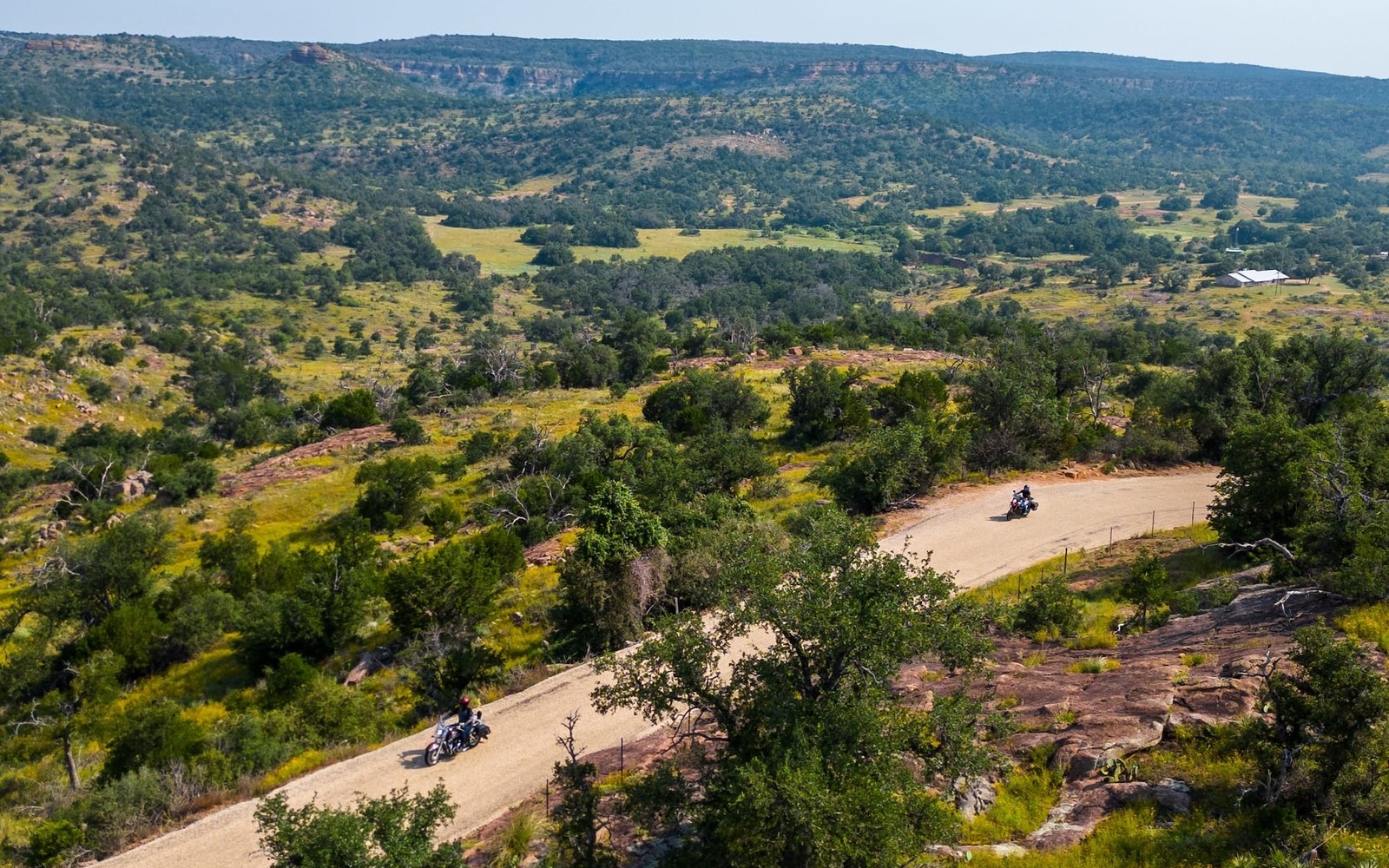
Texas mineral owners work with a buyer who underwrites Permian, Eagle Ford, and Haynesville positions with title-chain rigor and portfolio-grade diligence.
Oklahoma mineral owners in the SCOOP, STACK, Anadarko, and Osage face pooled-unit complexity. We underwrite spacing orders and forced pooling before pricing.
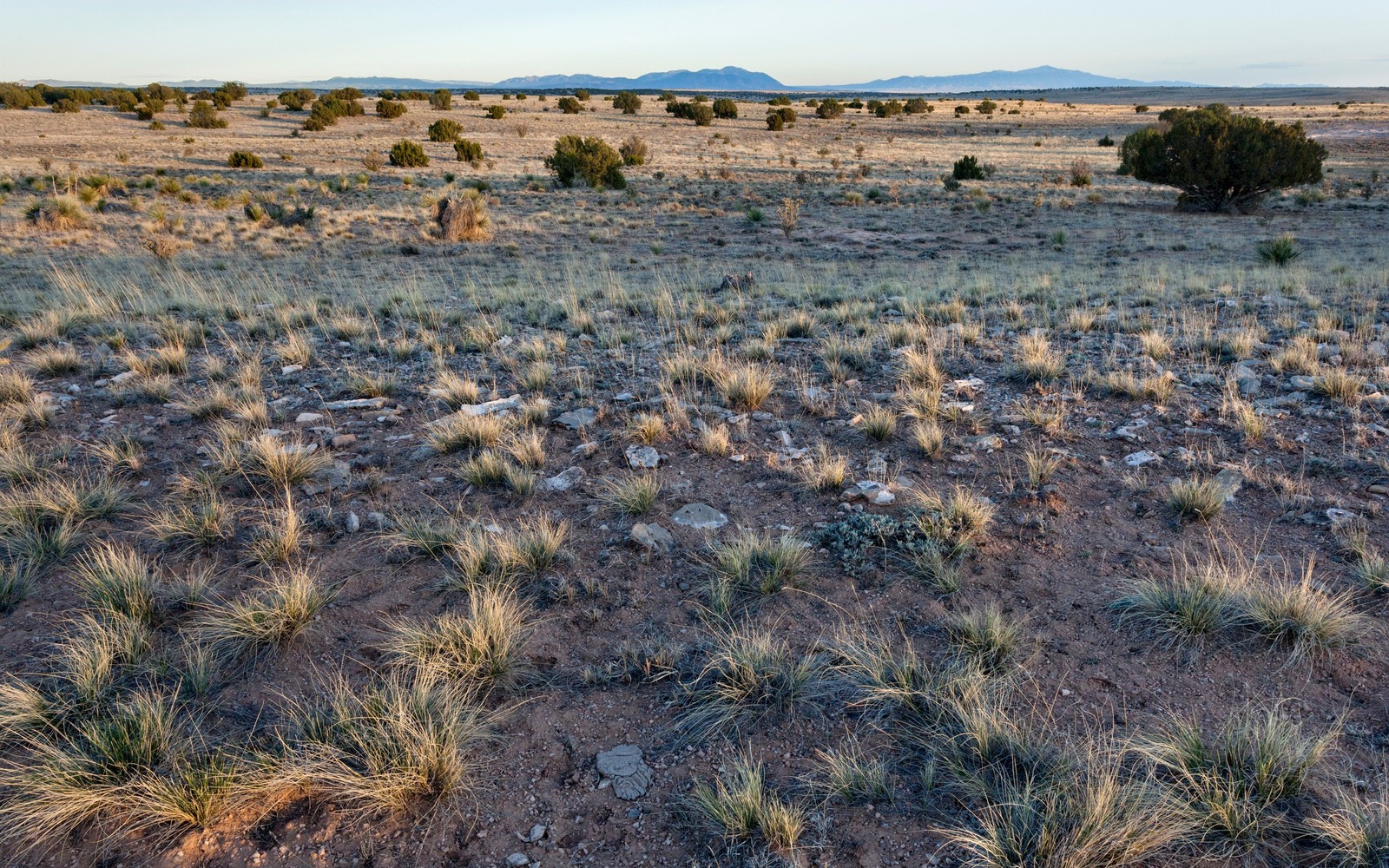
New Mexico Delaware Basin and San Juan owners face state trust land checkerboards. We map ownership type before pricing a Lea or Eddy County position.
Louisiana mineral owners sit across active Haynesville gas, emerging Tuscaloosa Marine Shale, and legacy Gulf Coast production, under a.
Pennsylvania Marcellus owners deal with post-production deductions on every check. We review lease language and division orders before pricing an offer.
West Virginia Marcellus and Utica owners face fractured heirship from century-old severed deeds. We rebuild the chain before pricing any tract.
Ohio Utica Shale owners hold interests governed by the state's dormant mineral act and unitization orders. We verify both before pricing a position.
North Dakota Bakken and Three Forks owners hold mature PDP portfolios. We underwrite decline curves and county record data before making an offer.
Colorado mineral ownership spans active DJ basin drilling and Piceance gas country. How setback rules, county diligence, and portfolio fit shape a real offer.
Wyoming Powder River and Green River owners face split federal, state, and fee ownership. We map the checkerboard before pricing any position.
Utah Uinta Basin owners deal with waxy crude and rail-dependent logistics. We factor transportation economics into every offer we make.
Kansas mineral ownership runs from Mississippian oil country to Hugoton gas fields. Two very different decline profiles, and how a firm prices each honestly.
Arkansas mineral ownership spans mature Fayetteville shale gas and an emerging Smackover lithium brine market. How an institutional buyer prices both correctly.
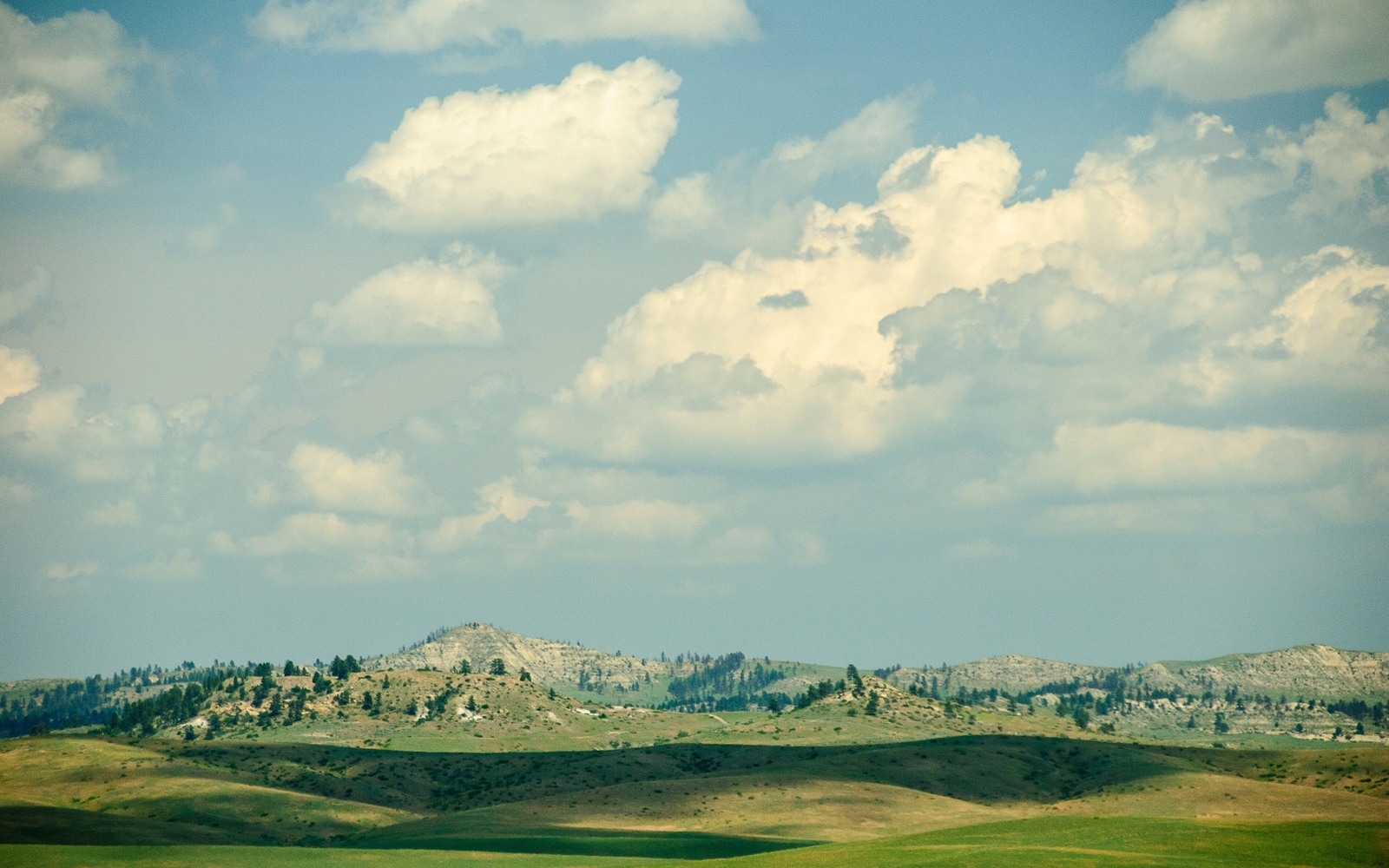
Montana Bakken-edge and Powder River owners hold flank acreage most aggregators skip. We underwrite these positions individually, well by well.
Mississippi mineral ownership spans the uneven Tuscaloosa Marine Shale and much older Jurassic salt basin oil fields. How a firm prices two very different histories.
Michigan mineral ownership is largely Antrim shale legacy gas, a mature Michigan basin play with decades of production history. How an institutional buyer prices it.
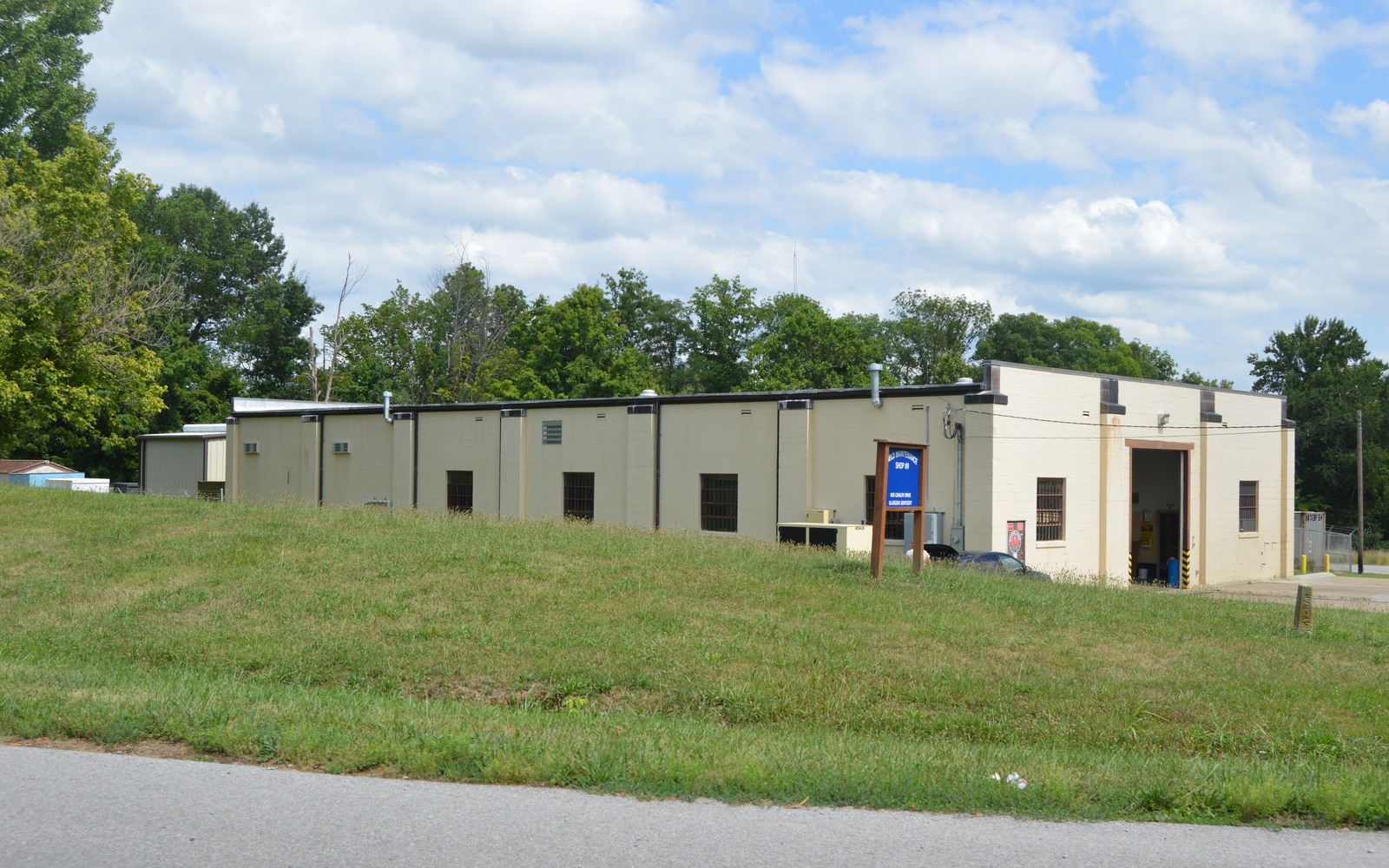
Kentucky mineral ownership splits between Appalachian basin gas in the east and Illinois basin oil in the west. What that split means for title work and value.
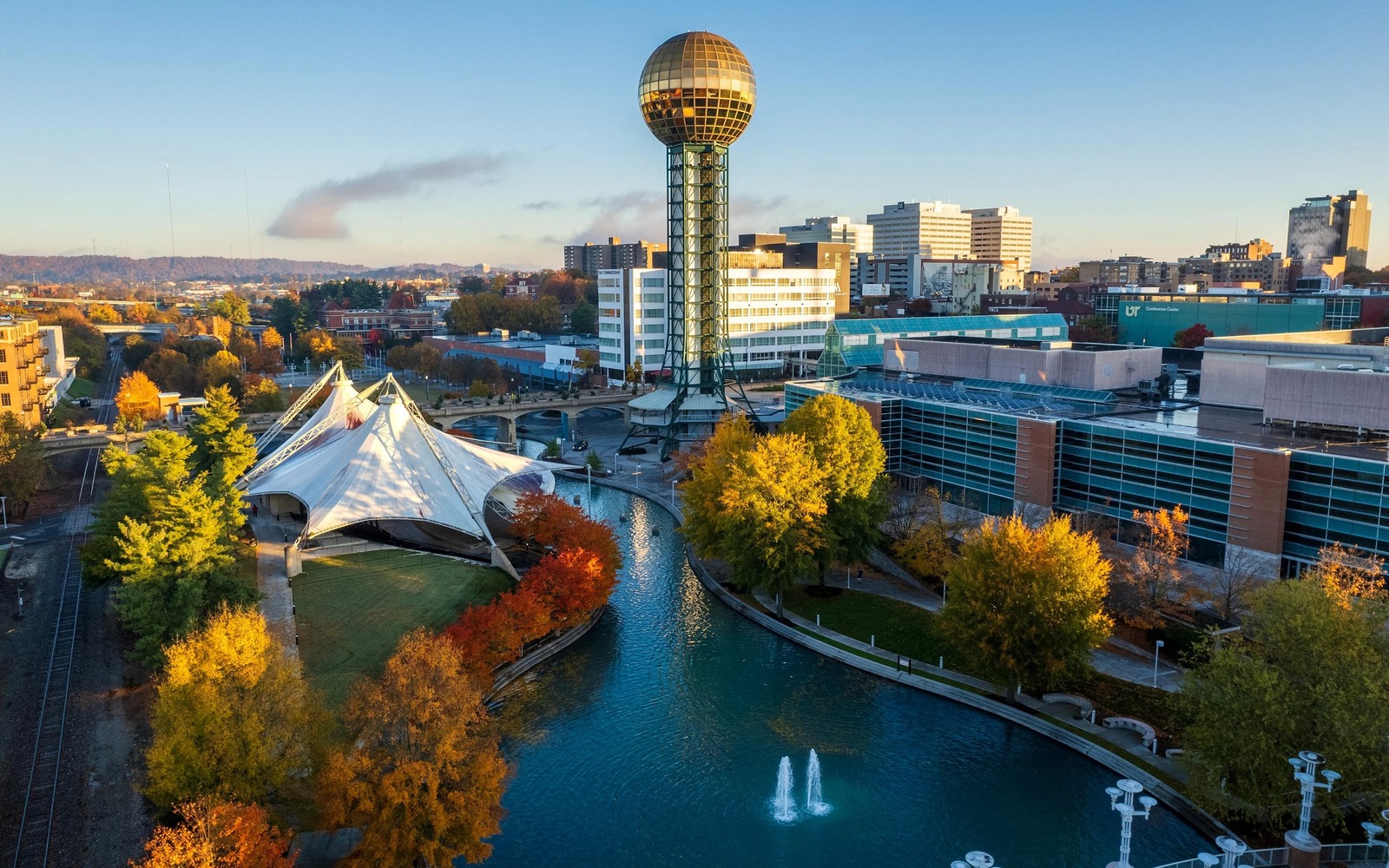
Tennessee mineral owners on the Appalachian Basin's edge often hold interests tied to older coal severances. We verify title before pricing.
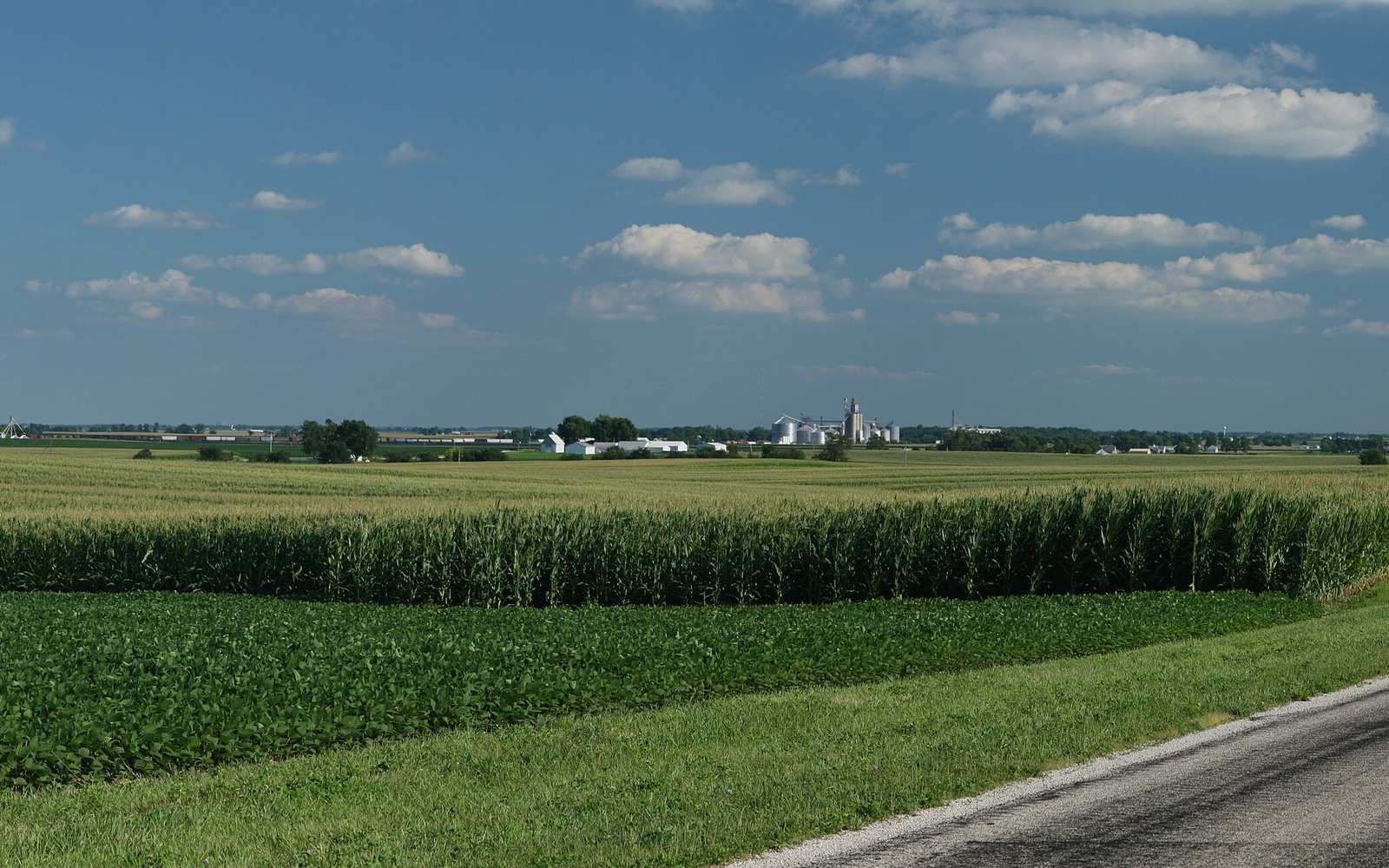
Illinois basin mineral ownership is old, quiet, and thinly traded. Why that makes county-level title work and an institutional buyer's patience matter more here.
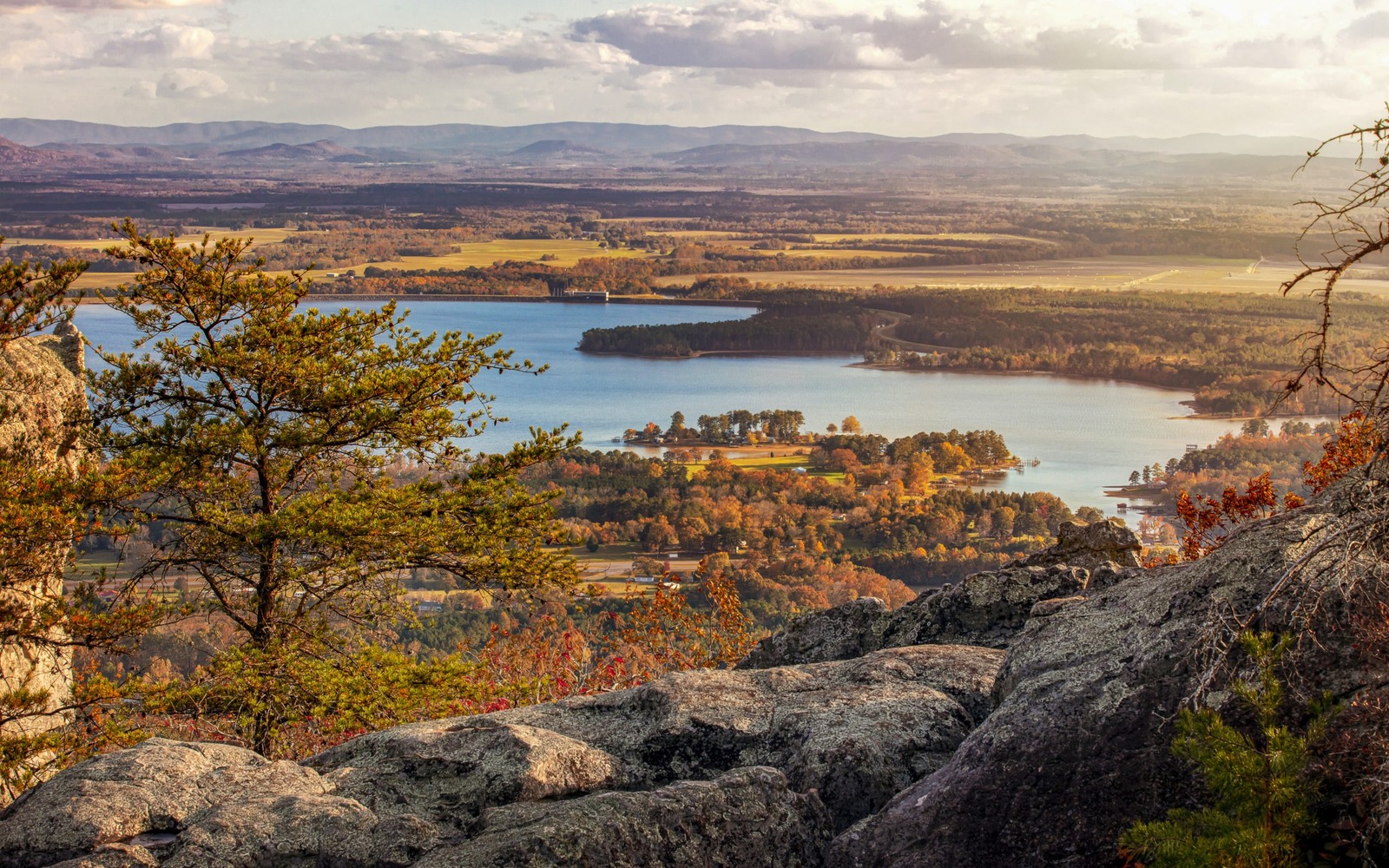
An institutional read on Alabama mineral ownership in the Black Warrior basin: coalbed methane decline curves, county title work, and how a firm prices your interest.
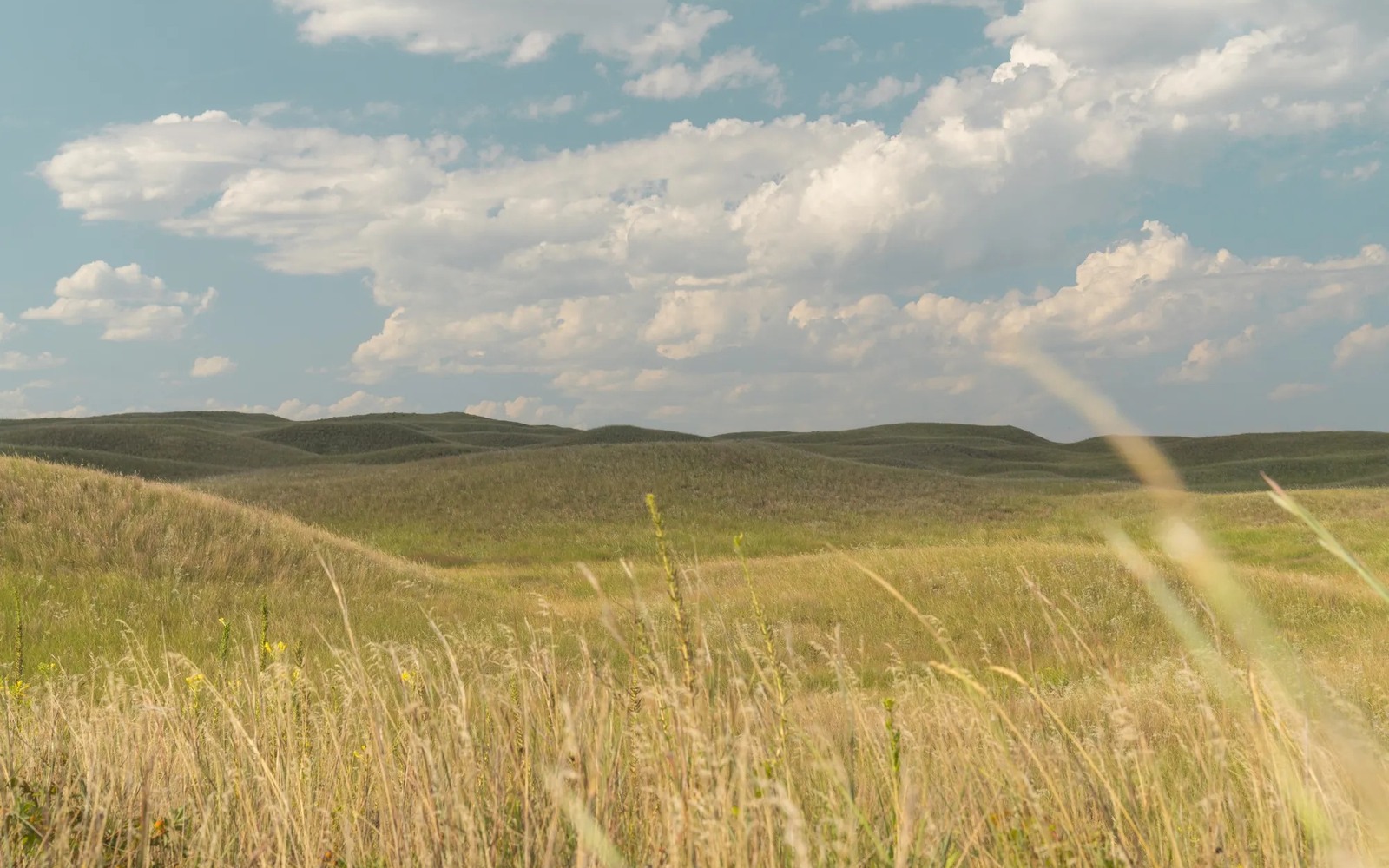
Nebraska DJ Basin and Niobrara owners hold thin, lightly drilled acreage. We underwrite these positions with the same rigor as core-play tracts.
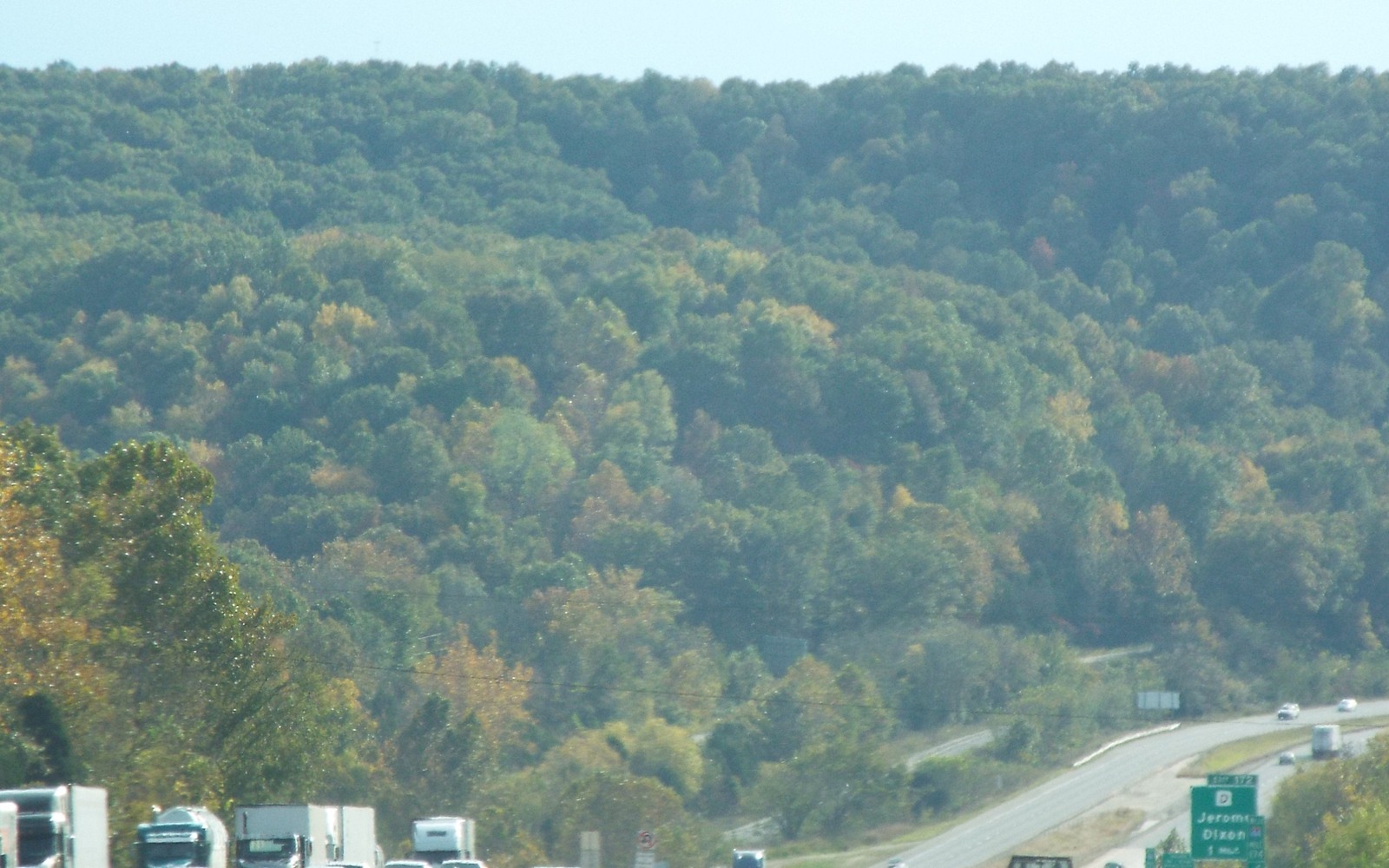
Missouri mineral ownership sits on the thin, quiet Forest City basin edge. Why a marginal, lightly drilled area needs a patient, well-informed buyer, not a mailer.
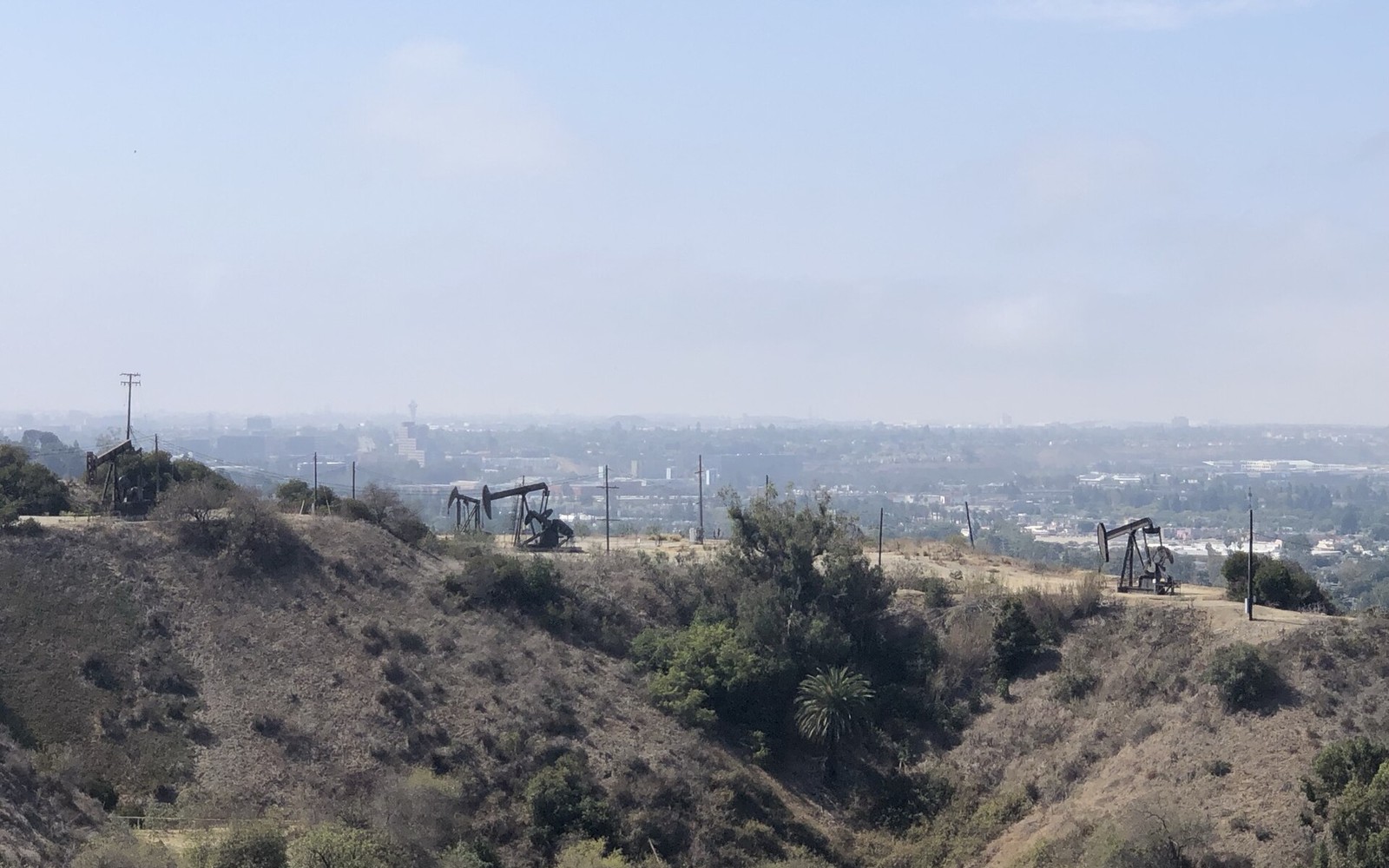
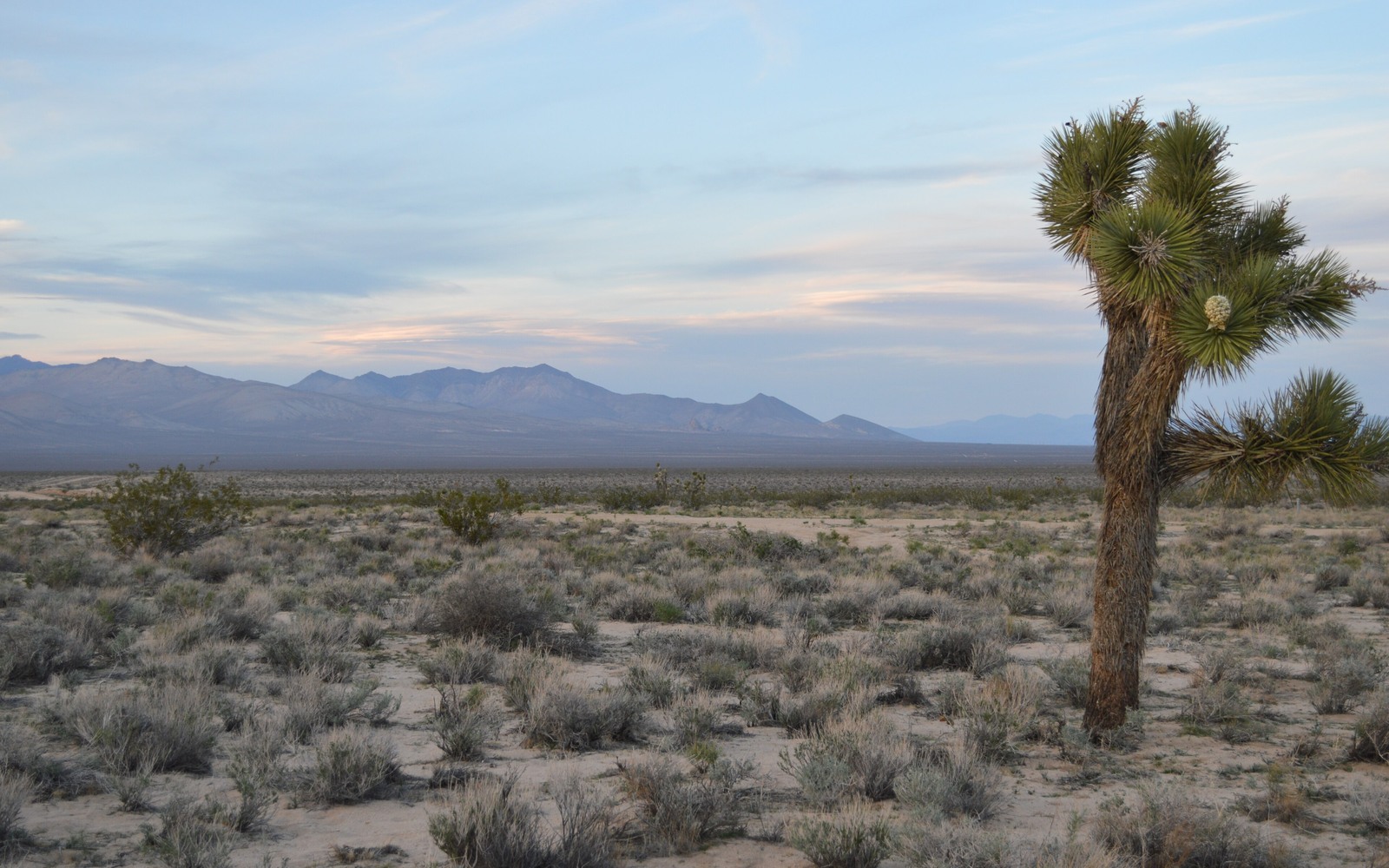
California mineral rights sit inside the country's most regulated oil and gas environment. What that means for San Joaquin and LA basin.
Alaska mineral and royalty ownership is unlike the Lower 48: state leasing structure, North Slope logistics, and how an institutional buyer prices interests here.