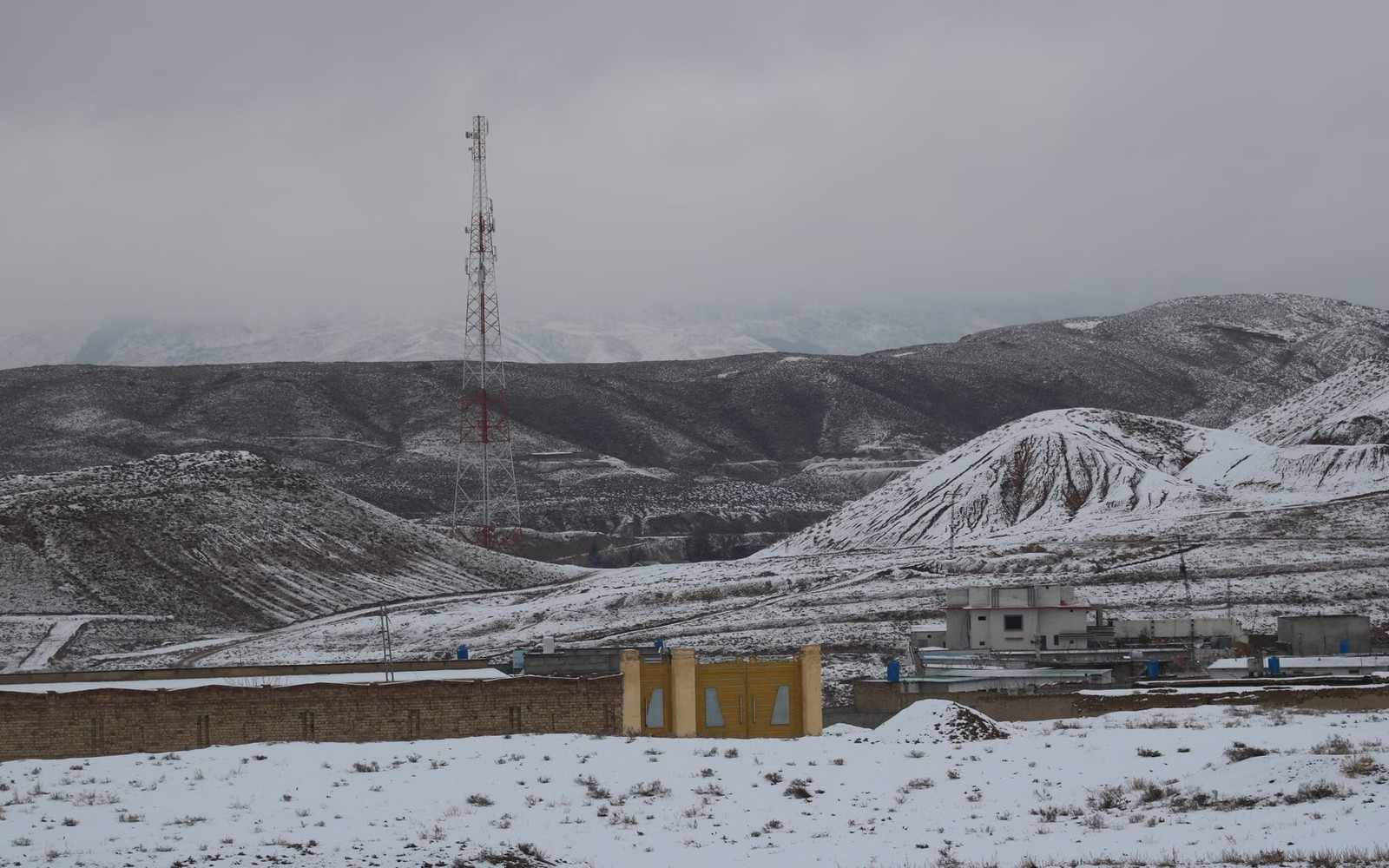
Piceance Basin Mineral Rights
The Piceance Basin was once one of the busiest gas basins in the Rockies, and today it is a case study in what happens to mineral value once activity fades.
Western Colorado's Piceance Basin, centered on Garfield and Rio Blanco counties, saw intensive tight gas development through the 2000s, led at the time by operators including Encana (now Ovintiv) and Williams Companies drilling thousands of wells into the Williams Fork and Mesaverde formations. Sustained low natural gas prices through much of the 2010s and 2020s led most major operators to sharply curtail, and in some cases entirely exit, drilling programs in the basin.
For a mineral owner here today, the honest starting point is that this is a mature basin with limited current drilling activity. That does not mean your interest lacks value, but it does mean the value case rests on existing production rather than a story about future wells that current activity levels do not support.
What changed in the Piceance
The basin's tight gas wells require hydraulic fracturing to produce economically, and at the low natural gas prices that prevailed for much of the past decade, the basin's break-even economics compared unfavorably to other gas plays, particularly the Marcellus and Haynesville. Operators redirected capital accordingly, and permitting activity in the Piceance dropped sharply as a result.
That is not a reflection on your specific tract. It is a basin-wide capital allocation decision that affects essentially every mineral owner in the play similarly.
What existing wells still offer
Wells already drilled in the Piceance continue producing, often at low but stable rates given the tight, low-permeability nature of the reservoir, which tends to produce a long, gradual decline once a well is past its early years. A mineral owner's income here is largely a function of that existing production and how much reserve life realistically remains in the wellbores on their tract.
Pricing an interest honestly in a quiet basin
A firm valuing Piceance minerals should be transparent that this is a salvage-and-income valuation rather than a growth valuation. That framing is not a reason to avoid selling, since a mineral owner who wants liquidity now may still find selling worthwhile even in a quiet basin, but it does mean expectations should be calibrated to current, not historical, activity levels.
What could change the outlook here
A sustained rise in natural gas prices, or new pipeline capacity that improved the basin's netback pricing relative to other gas plays, could eventually make renewed Piceance drilling more competitive. Neither is support on any particular timeline, and a buyer should not price your interest today based on that kind of speculative scenario, but it is a reasonable factor to understand as background context.
Confirming reserve life before you decide
Because so much of a Piceance valuation rests on remaining reserve life in existing wells, ask your operator or a prospective buyer for a decline curve analysis specific to the wells on your tract rather than relying on a basin-wide assumption. That analysis, even if informal, gives a much clearer picture of how many years of income the interest likely has left.
Garfield and Rio Blanco county specifics
Garfield County held the bulk of the basin's most intensive drilling during the 2000s peak, and its well density remains the highest in the play, while Rio Blanco County, further from the core, generally saw somewhat lighter development. An owner comparing a Piceance offer to a figure a relative or neighbor received should confirm which county, and how close to the historical core, that comparison actually applies to before assuming it is a useful benchmark.
A buyer familiar with the basin should be able to speak to well density and typical spacing in your specific county rather than offering a single figure for the whole play.
Questions to Clear Before Closing
Each answer removes ambiguity from the property schedule, conveyance, curative list, funding condition, or delivery record.
Is the Piceance Basin still being drilled?
Activity has dropped sharply from the 2000s peak due to sustained low natural gas prices that made the basin's tight gas economics less competitive than other plays; most current value comes from existing wells rather than new drilling.
Why did operators leave the Piceance Basin?
Capital shifted toward basins with stronger break-even economics at prevailing gas prices, a common pattern across several early tight gas and shale plays once returns compressed.
Are my Piceance wells still producing?
Many existing wells continue producing at low, stable rates typical of tight gas reservoirs; checking your operator's current production report will confirm the status of wells on your specific tract.
Is it worth selling minerals in a basin with little current drilling?
It can be, particularly for an owner seeking liquidity now rather than continued modest royalty income; the key is pricing the interest honestly against existing production rather than speculative future drilling.
Is coalbed methane also produced in the Piceance Basin?
Some coalbed methane production exists in parts of the basin alongside the tight gas Williams Fork and Mesaverde production, though the basin is more widely known for its tight gas development.
Is any part of the Piceance Basin still seeing new permits filed?
Permitting activity has been minimal for an extended period, though isolated activity can occur; a buyer should check current state permitting records for your specific area rather than assuming basin-wide inactivity applies uniformly.
Could new pipeline capacity change the outlook for Piceance gas?
Improved regional pipeline capacity or stronger netback pricing could theoretically make renewed drilling more attractive, but no such project is currently reshaping the basin's economics, so any valuation today should rest on existing conditions rather than that possibility.
Does it matter whether my acreage is in Garfield or Rio Blanco County?
Yes, since Garfield County saw the heaviest well density during the basin's peak development years, while Rio Blanco County generally saw somewhat lighter drilling; a buyer should evaluate your specific county rather than a single basin-wide figure.
Clear the next closing condition
Owner, tract, fraction, lease, production, and exception records carry straight into these related closing reviews.
Want this checked against your deed, statements, lease, or written offer?
Send the county and state, owner name, operator or payor, recent statement, deed reference, lease, probate document, division order, or written offer you have.