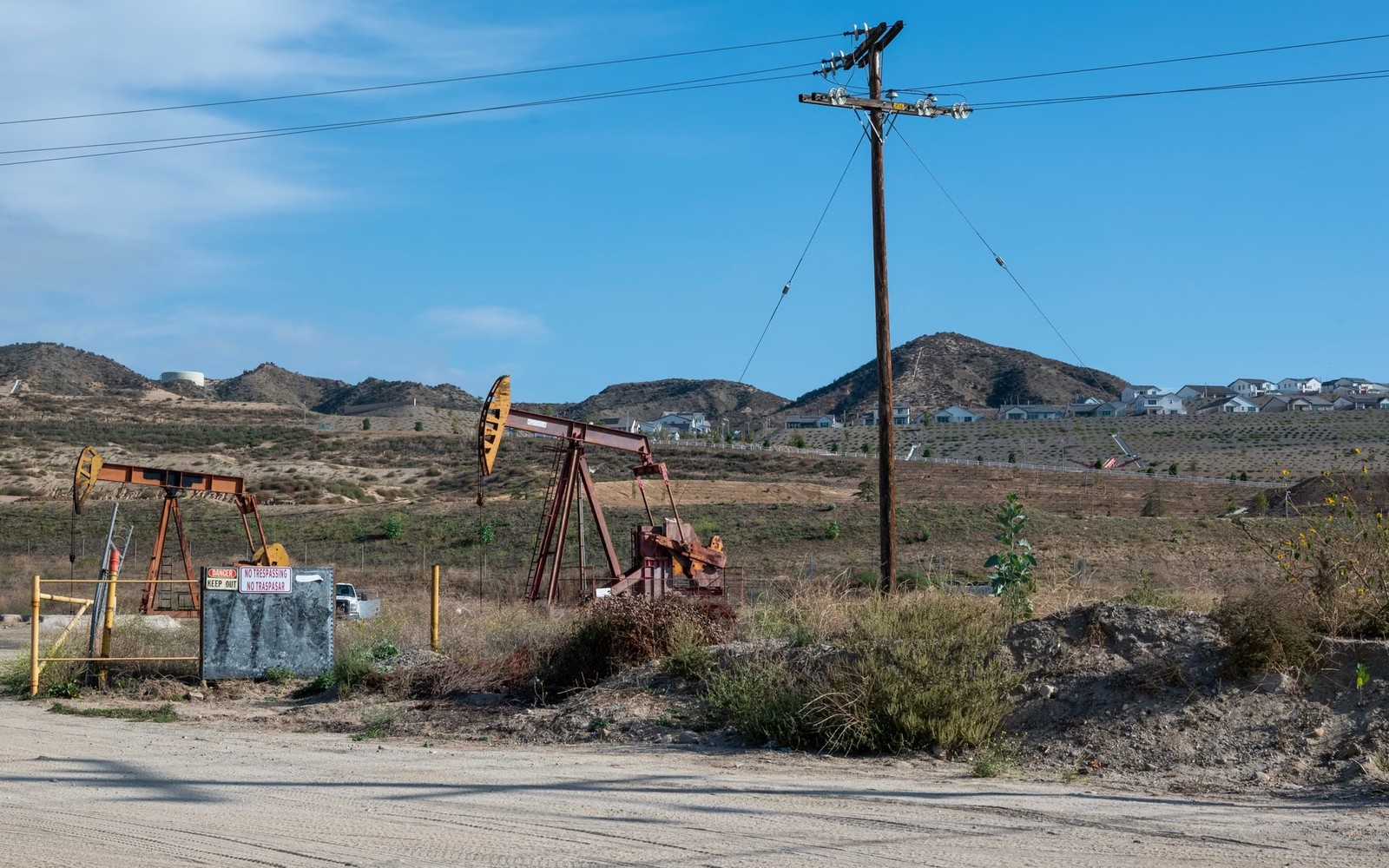
Delaware Basin Mineral Rights
The Delaware Basin holds some of the deepest, most stacked pay in the Permian, and institutional buyers price that depth very differently than a single-zone play.
The western half of the Permian Basin, spanning Reeves, Loving, Culberson, Ward, and Winkler counties in Texas and Lea and Eddy counties in New Mexico, sits on top of a stacked column that includes the Wolfcamp A, B, C, and D benches along with multiple Bone Spring sands. In some of the deepest parts of the Delaware, operators have drilled a dozen or more distinct target zones from a single surface location.
A mineral interest here is rarely a bet on one well. It is a bet on how many of those stacked zones a given operator will ultimately develop under your acreage, over how many years, which is why private equity and larger institutional buyers have concentrated heavily on the Delaware relative to other basins over the past decade.
Why the Delaware attracts institutional capital
The combination of thick, oil-rich source rock, established midstream infrastructure, and multiple stacked target zones gives the Delaware some of the longest drilling inventory of any basin in the country. Operators including large public independents and well-capitalized private equity-backed drillers have concentrated acreage positions here specifically because the basin supports years, in some cases decades, of visible future development.
That inventory depth is the core reason institutional buyers treat Delaware Basin minerals as a durable, long-duration asset class rather than a single-cycle bet, and why competition for well-positioned Delaware tracts tends to be stronger than in most other basins.
Core versus flank positioning
Not every acre in the Delaware is equal. Core counties like Reeves and Loving, and the deepest parts of Lea and Eddy counties in New Mexico, have seen the most consistent drilling and the strongest well results. Acreage nearer the basin's shallower edges can still hold value, but with fewer stacked zones and less certain future development. A buyer should be able to explain where your specific tract sits within that core-to-flank spectrum.
Water handling and takeaway capacity also factor in more here than in most basins, since Delaware development is produced-water intensive; a buyer familiar with local midstream buildout can price that operational reality into the offer rather than ignoring it.
How a firm underwrites depth of inventory
A portfolio buyer working in the Delaware typically models each formation your tract could support separately: how many wells per section the Wolfcamp benches and Bone Spring sands could realistically hold, what spacing the operator has used on comparable nearby units, and how many of those wells have already been drilled versus remain undeveloped. That formation-by-formation inventory count, more than any single comp, drives the difference between a conservative offer and a strong one.
Documentation that strengthens your position
A current division order, recent check detail, and any correspondence from your operator about permitted-but-undrilled locations on your unit all help a buyer price undeveloped inventory accurately rather than defaulting to a conservative estimate in the absence of information.
How lease terms affect a Delaware Basin valuation
Original lease terms in the Delaware, including royalty rate, primary term, and any post-production cost deductions written into the lease, vary considerably across the basin depending on when and by whom the acreage was originally leased. Two mineral owners with identical net acres in the same section can see meaningfully different net royalty income if one lease carries a higher deduction burden than the other.
A buyer should review your specific lease terms in addition to your production history, since the effective royalty you are actually receiving after deductions is what ultimately drives the value of the interest going forward.
Questions to Clear Before Closing
Each answer removes ambiguity from the property schedule, conveyance, curative list, funding condition, or delivery record.
How many formations can produce under one Delaware Basin tract?
It varies by location, but core-area tracts can have multiple Wolfcamp benches and several Bone Spring sands stacked beneath them, meaning more than one zone may be developed over time.
What makes a county 'core' in the Delaware Basin?
Core counties, generally Reeves, Loving, and the deeper portions of Lea and Eddy in New Mexico, have the thickest, most consistently productive stacked pay and the longest history of multi-zone development.
Why do institutional buyers concentrate on the Delaware Basin specifically?
The combination of oil-rich rock, multiple stackable target zones, and established infrastructure gives the basin longer visible drilling inventory than most other U.S. plays, which supports steadier long-term demand for well-positioned acreage.
Does produced water affect the value of my minerals?
Indirectly. Water handling costs and infrastructure availability affect an operator's development pace, so a buyer familiar with local midstream buildout can factor that into how quickly your zones are likely to be developed.
Should I sell my whole Delaware Basin interest or a partial stake?
Some owners sell a partial interest to capture value from currently producing zones while retaining exposure to undeveloped benches that may be drilled later.
How does horizontal spacing affect Delaware Basin value?
Tighter spacing generally means more wells, and more royalty-paying wellbores, per section, though very tight spacing can also reduce individual well performance through interference; a buyer should weigh both effects rather than assuming more wells always means more value.
Clear the next closing condition
Owner, tract, fraction, lease, production, and exception records carry straight into these related closing reviews.
Want this checked against your deed, statements, lease, or written offer?
Send the county and state, owner name, operator or payor, recent statement, deed reference, lease, probate document, division order, or written offer you have.