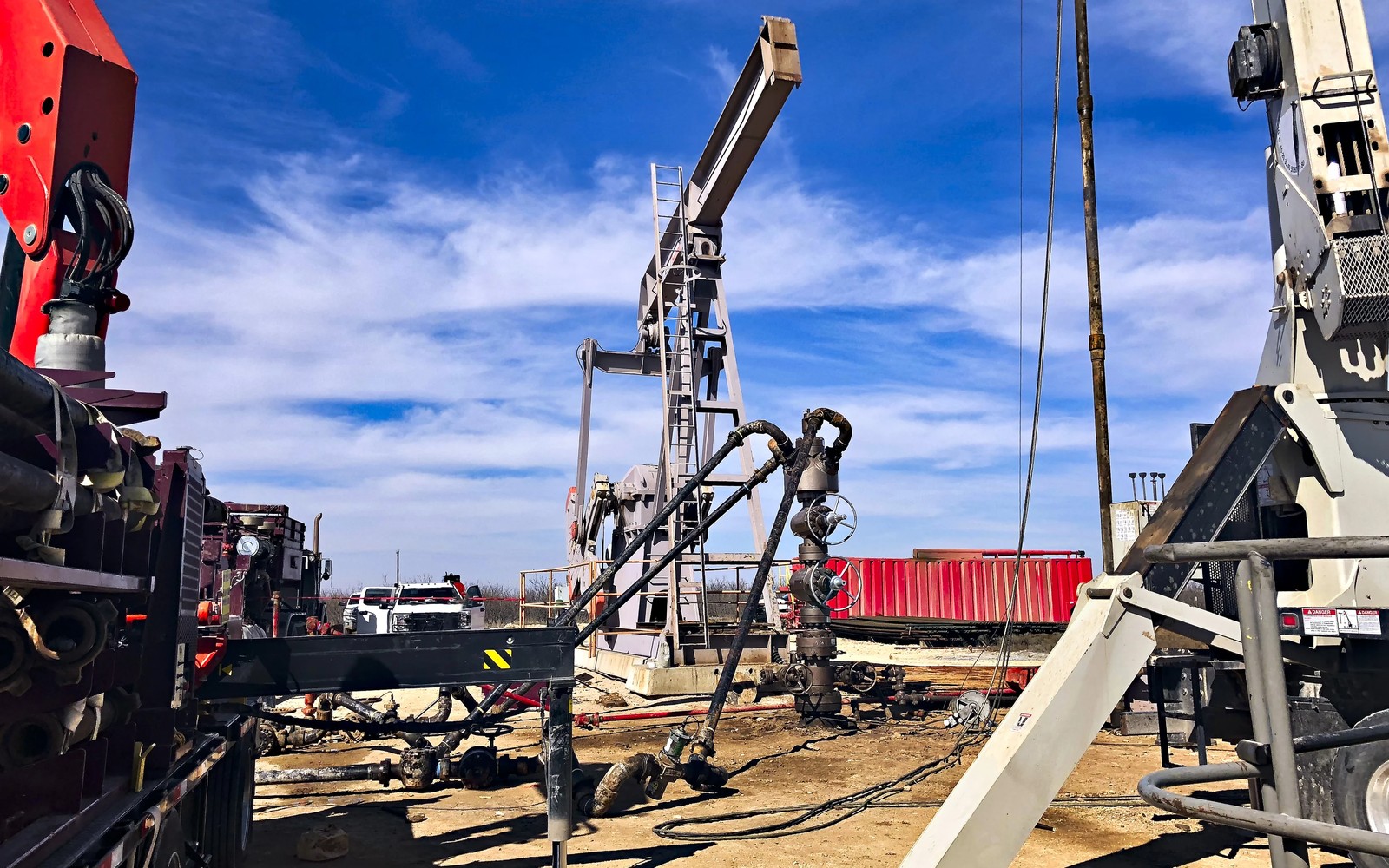
Niobrara Mineral Rights
The Niobrara is a formation, not a single basin, and that distinction changes how a mineral interest bearing its name should actually be valued.
Unlike a play defined by one geographic basin, the Niobrara chalk and marl sequence extends across parts of the DJ Basin in Colorado, the Powder River Basin in Wyoming, and portions of Nebraska and Kansas, with meaningfully different development histories and current activity levels in each area. A mineral owner told simply that their acreage produces from 'the Niobrara' is missing the more useful question: which basin, and which part of it.
That geographic spread is worth understanding before comparing your interest to a neighbor's, or to figures you may have seen online, since a Niobrara well in core Weld County, Colorado behaves very differently from one in a less-developed part of Wyoming's Powder River Basin.
Why formation name alone does not set value
The Niobrara's thickness, depth, and productivity vary considerably across its geographic extent. In parts of the DJ Basin it has been developed intensively with horizontal wells alongside the underlying Codell sand. In the Powder River Basin, Niobrara development has been more recent and less extensive, with operators still working to establish consistent well results across different parts of the play.
A buyer who prices a Niobrara interest based on the formation name alone, without confirming which basin and county it sits in, is not doing the underwriting work that a fair offer requires.
Colorado's regulatory backdrop
For Niobrara acreage in the DJ Basin specifically, Colorado's setback and permitting rules affect where new development can occur, similar to the broader DJ Basin picture; a mineral owner there should weigh that regulatory context alongside the formation's underlying productivity.
The Powder River Basin Niobrara story
In Wyoming's Powder River Basin, the Niobrara and adjacent Turner sand have drawn renewed operator interest as companies test horizontal development across a basin historically known more for coalbed methane and conventional production. Results here have been more variable well to well than in the established DJ Basin core, which a buyer should reflect in a more measured valuation until a longer track record is established.
What to ask before accepting an offer
Confirm specifically which basin and county your Niobrara-producing tract sits in, how many wells have targeted the formation on your unit, and how that compares to development levels nearby. Those specifics matter far more than the formation name printed on your division order.
Kansas and Nebraska's smaller Niobrara footprint
Portions of northwest Kansas and southwest Nebraska also sit over Niobrara chalk, though development there has been more limited and conventional in style compared to the horizontal drilling seen in Colorado and Wyoming. A mineral owner in this smaller footprint should expect a valuation grounded in modest, long-standing conventional production rather than any comparison to the DJ Basin's more intensive horizontal development.
Why formation-specific due diligence pays off
Given how much the Niobrara's development history and current activity vary by basin, an owner benefits from asking a prospective buyer to name the specific wells, operators, and recent permits near their tract, rather than accepting a general statement about the formation's prospects. That level of specificity is a reasonable bar to set for any offer involving Niobrara-producing acreage.
The Codell sand's role in DJ Basin economics
In the DJ Basin, the Niobrara is frequently developed alongside the thinner, underlying Codell sandstone from the same wellbore, and a single unit can hold interests in both zones. An owner unfamiliar with that pairing may not realize their division order reflects production from two separate formations rather than one, which matters when comparing your check against a figure quoted for Niobrara-only acreage elsewhere.
A buyer valuing DJ Basin acreage should be explicit about whether their offer reflects Niobrara production alone or the combined Niobrara-Codell interval, since the two are not always priced identically.
Questions to Clear Before Closing
Each answer removes ambiguity from the property schedule, conveyance, curative list, funding condition, or delivery record.
Is the Niobrara the same thing as the DJ Basin?
No. The Niobrara is a rock formation that underlies parts of several separate basins, including the DJ Basin, the Powder River Basin, and portions of Nebraska and Kansas, each with different development histories.
Why do Niobrara wells in different states perform so differently?
The formation's thickness, depth, and maturity vary by location, and development history differs by basin, with the DJ Basin core having seen the most extensive horizontal drilling to date.
Is Niobrara development still expanding in the Powder River Basin?
Operators have shown renewed interest in Niobrara and Turner sand horizontal drilling there in recent years, though results have been more variable than in the established DJ Basin core.
What should I confirm before accepting a Niobrara mineral offer?
Confirm which specific basin and county your acreage sits in and how many wells have targeted the formation on your unit, since those details affect value far more than the formation name alone.
Does the Niobrara produce oil, gas, or both?
It varies by location; the DJ Basin core tends to be more oil-weighted while parts of the Powder River Basin and Nebraska extension lean more toward gas, depending on depth and thermal maturity.
Is the Niobrara considered a shale play or a chalk play?
Geologically it is a chalk and marl formation rather than a true shale, though it is often grouped with shale plays in general discussion because it is developed using similar horizontal drilling and fracturing techniques.
What is the Codell sand, and does it affect my Niobrara interest?
In the DJ Basin, the Codell is a thinner formation often developed from the same wellbore as the overlying Niobrara; your division order may reflect combined production from both zones rather than the Niobrara alone, which is worth confirming directly.
Clear the next closing condition
Owner, tract, fraction, lease, production, and exception records carry straight into these related closing reviews.
Want this checked against your deed, statements, lease, or written offer?
Send the county and state, owner name, operator or payor, recent statement, deed reference, lease, probate document, division order, or written offer you have.