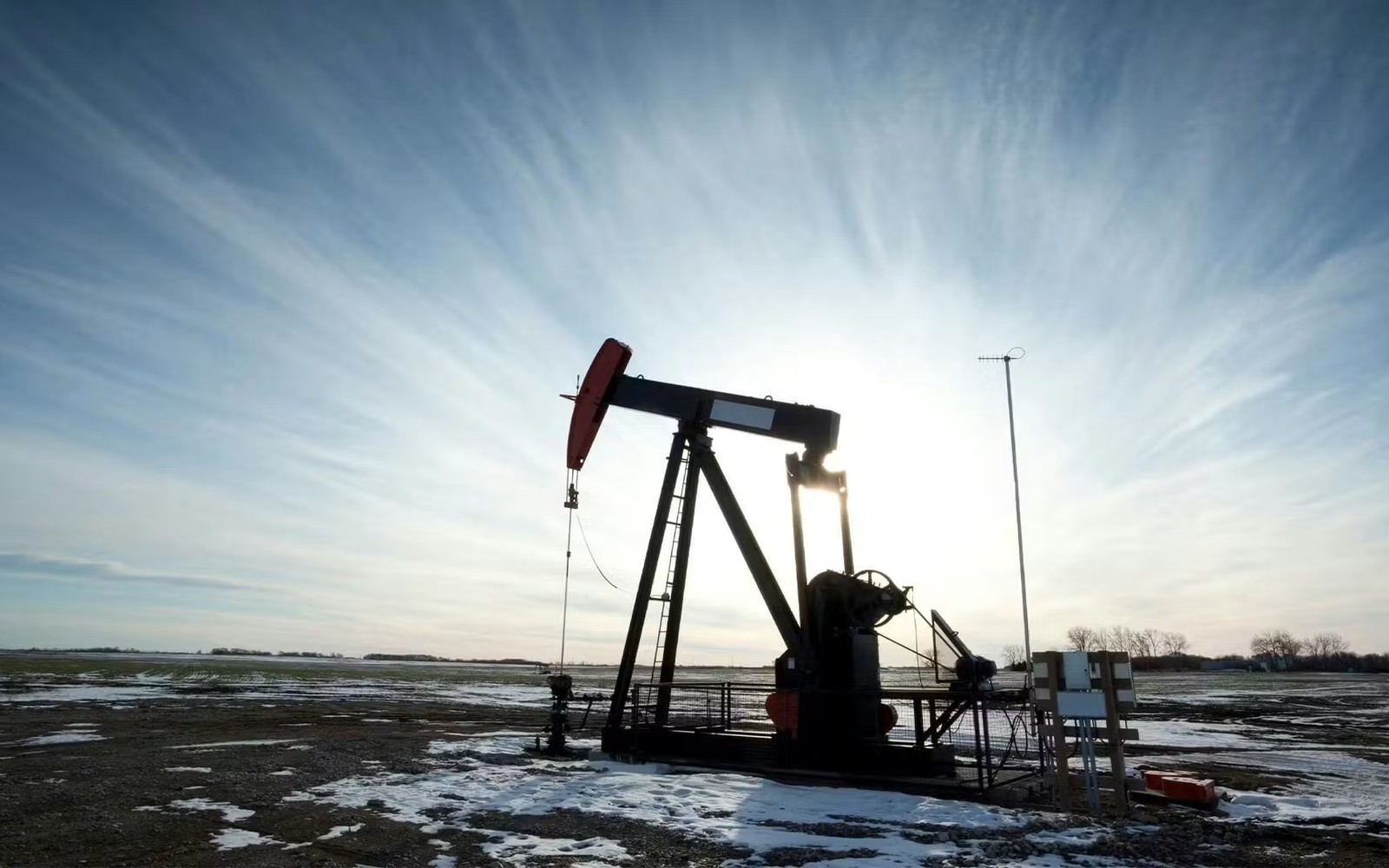
Bakken Mineral Rights
Few plays in the country carry as much drilled inventory ahead of them as the Bakken, which is exactly why institutional buyers treat it differently from a mature, winding-down basin.
The Williston Basin, spanning western North Dakota and eastern Montana, has been one of the most consistently drilled oil plays in the country since the horizontal completion techniques that unlocked the Middle Bakken and Three Forks matured in the late 2000s. McKenzie, Mountrail, and Williams counties sit in the deepest, most productive part of the basin, where wells commonly target both benches from a single spacing unit.
For a portfolio buyer, a Bakken tract in a core county is one of the more straightforward assets to underwrite: long lateral lengths, established operator behavior, and years of public production data on adjacent wells. That does not mean every Bakken mineral acre is priced the same, since county, spacing unit, and operator all shift the number meaningfully.
Core counties versus the basin edge
McKenzie and Mountrail counties sit in the thickest, most productive part of the Bakken-Three Forks trend, and wells there routinely outperform acreage closer to the basin's edges in Divide, Burke, or eastern Montana. A firm pricing a mineral interest weighs county position heavily, because two tracts with identical acreage can carry very different remaining inventory depending on where they sit relative to the basin's depocenter.
That county-level difference is one reason a single 'Bakken price per acre' figure floating around online rarely applies to a specific tract. Location within the basin, beyond the play name alone, drives most of the variance in what an interest is worth.
Spacing units and multi-well pads
Bakken development moved to large multi-well pads years ago, with operators like Continental Resources, Hess, and Whiting drilling several wells per spacing unit targeting both the Middle Bakken and Three Forks benches. A mineral owner in a unit that has only seen one or two wells drilled may still have real remaining inventory ahead of it, while a fully developed unit has less upside left regardless of how strong its historical production has been.
A buyer underwriting your interest should be able to tell you how many wells have been permitted or drilled in your specific spacing unit relative to what the unit could ultimately support, since that gap is a large part of what separates a mature interest from one with runway left.
Why the Bakken holds up in an institutional portfolio
Long laterals, established midstream infrastructure, and a deep bench of experienced operators give the Bakken a lower execution-risk profile than newer or less-developed plays. A firm building a national mineral portfolio treats a core-county Bakken position as a durable, cash-generating anchor asset rather than a speculative holding, which supports steadier demand for well-positioned interests even through commodity cycles.
What to check before you sell
Confirm your net mineral acres against your original patent or deed, verify your decimal interest on the current division order, and ask any buyer how many wells are already producing versus permitted but undrilled in your spacing unit. Those three data points do more to explain a fair offer than any general county average.
After-tax planning around a Bakken sale
Mineral sales are typically taxed as capital gains, and your basis, often the value of the interest when inherited or acquired, can materially affect what you net from a sale. An owner sitting on a highly appreciated Bakken interest purchased or inherited years before the horizontal drilling boom should talk to a CPA about basis and timing before finalizing any transaction, since the tax outcome can shift the effective value of competing offers.
A patient buyer will give you time to have that conversation rather than pressuring a quick close, which is generally a reasonable signal about how that buyer intends to operate over the life of a relationship, beyond a single transaction.
Questions to Clear Before Closing
Each answer removes ambiguity from the property schedule, conveyance, curative list, funding condition, or delivery record.
Does county location really change what my Bakken minerals are worth?
Yes. Core-basin counties like McKenzie and Mountrail generally support more wells per spacing unit and stronger per-well results than acreage nearer the basin's edges, so location matters as much as acreage size.
How many wells are typically drilled per Bakken spacing unit?
It varies by operator and unit, but many units in core counties support multiple wells targeting both the Middle Bakken and Three Forks benches; a buyer should be able to show you how developed your specific unit is.
Is the Bakken still being actively drilled?
Yes, though pace varies with oil prices. Core counties continue to see permitting and multi-well pad development, which is part of why buyers still compete for well-positioned Bakken interests.
What is Three Forks production and does it affect my interest?
Three Forks is a bench below the Middle Bakken that many operators now drill alongside the primary Bakken zone. A tract with active or permitted Three Forks development typically carries more remaining inventory than one with only Middle Bakken wells.
Should I sell all my Bakken minerals or keep a portion?
Many owners in undeveloped or lightly developed spacing units choose to retain a portion of their interest to keep exposure to future wells, while selling the rest for liquidity now.
Clear the next closing condition
Owner, tract, fraction, lease, production, and exception records carry straight into these related closing reviews.
Want this checked against your deed, statements, lease, or written offer?
Send the county and state, owner name, operator or payor, recent statement, deed reference, lease, probate document, division order, or written offer you have.