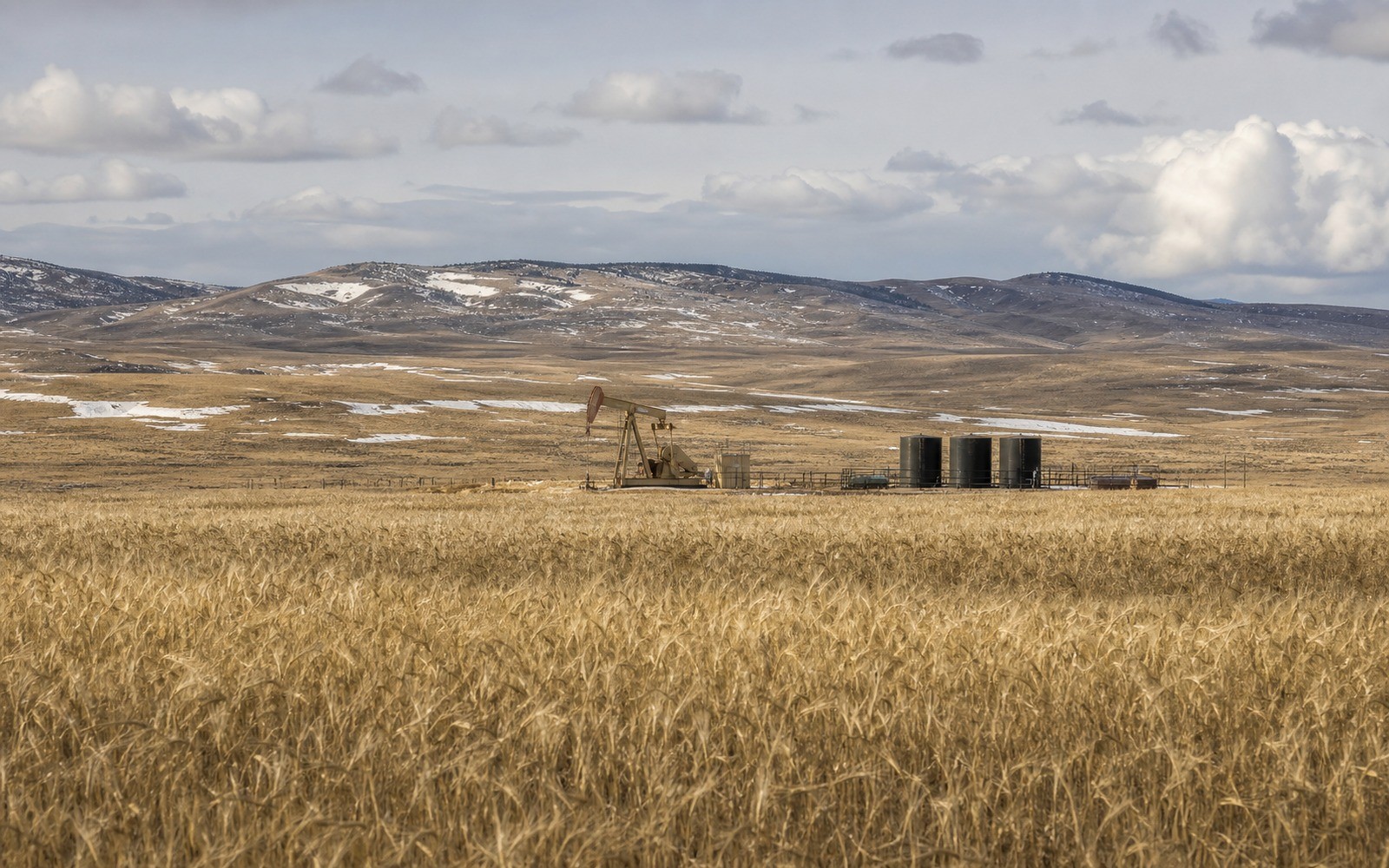
Powder River Basin Mineral Rights
Few basins mix an old production story with a new one the way the Powder River Basin does, and a fair valuation has to account for both.
Northeast Wyoming and southeast Montana's Powder River Basin built its early reputation on coalbed methane, a shallow, low-cost gas play that boomed through the 1990s and 2000s before largely running its course as sustained low gas prices made many wells uneconomic. Over the past several years, a second story has developed alongside that legacy: operators testing and expanding horizontal drilling into the Niobrara and Turner sand formations, targeting oil rather than shallow gas.
A mineral owner in the basin today may hold interests touched by both eras: legacy coalbed methane production that has mostly declined to modest levels, and potential exposure to newer horizontal development if your acreage sits in an area operators are actively testing.
The coalbed methane legacy
Coalbed methane wells in the Powder River Basin are shallow and inexpensive to drill, which supported rapid development in the play's boom years, but the same shallow, low-pressure reservoirs mean many wells have declined to marginal production levels as gas prices stayed low for an extended period. Some coalbed methane wells in the basin have been plugged or abandoned entirely over the past decade as operators concluded continued operation was not economic.
A mineral owner whose interest is tied primarily to legacy coalbed methane production should expect a valuation grounded in existing, often declining, production rather than any new-well upside from that formation specifically.
The newer horizontal oil story
Separately, operators have been testing horizontal development in the Niobrara and Turner formations across parts of the basin, targeting oil rather than shallow gas. Results have varied by area and remain less established than in a mature basin like the Bakken, but where results have been strong, they represent a genuinely different value driver than the basin's coalbed methane legacy.
A buyer should be able to tell you whether your specific acreage has seen any horizontal permitting activity in the Niobrara or Turner, since that would materially change the valuation conversation from a purely legacy-production basis.
Why these two stories require separate underwriting
Treating the entire Powder River Basin as one asset class would understate the value of acreage with active horizontal testing nearby and potentially overstate the value of acreage with only declining coalbed methane production. A responsible valuation separates the two, pricing legacy gas production on its own declining basis while assessing any newer oil-directed activity independently.
What to ask an operator directly
If your division order lists an operator still active in horizontal development, it is reasonable to ask directly whether they have permits filed near your tract or plans for the coming year. Operators willing to share that kind of forward-looking detail give both you and any buyer a clearer basis for valuing potential upside beyond the legacy coalbed methane production.
Weighing a hold-versus-sell decision here
An owner whose interest is tied mostly to declining coalbed methane production, with no confirmed horizontal activity nearby, may find more value in selling now for liquidity than waiting on uncertain future development. An owner with confirmed permits for horizontal drilling on their specific unit may reasonably choose to hold longer to see how that development plays out before deciding.
Reading Wyoming division orders correctly
Because the basin has changed hands through several rounds of acquisition, a division order written years ago may reference an operator that no longer holds the unit, or may reflect a decimal interest calculated before later spacing or pooling adjustments. Confirming the current record holder with the Wyoming Oil and Gas Conservation Commission, rather than assuming an older statement is still accurate, is a reasonable step before either negotiating a sale or simply understanding what you own.
A firm that has underwritten multiple Powder River Basin interests should be comfortable walking you through how a specific unit's spacing and pooling history shapes what fraction of production your interest is entitled to.
Questions to Clear Before Closing
Each answer removes ambiguity from the property schedule, conveyance, curative list, funding condition, or delivery record.
Is coalbed methane still being drilled in the Powder River Basin?
New coalbed methane drilling has slowed substantially, and some existing wells have been plugged as low gas prices made continued operation uneconomic; most legacy interests now reflect declining, mature production.
What is the newer Niobrara and Turner activity in this basin?
Some operators have been testing horizontal oil-directed drilling in these formations across parts of the Powder River Basin, representing a distinct opportunity from the basin's older coalbed methane production.
How do I know if my acreage is near any horizontal drilling activity?
Wyoming Oil and Gas Conservation Commission permitting records can show recent activity near your tract; a buyer with current basin knowledge should be able to speak to this directly.
Should coalbed methane and horizontal oil potential be valued the same way?
No. They represent different production types with different risk and decline profiles, and a responsible valuation should account for each separately rather than blending them into one generic number.
Which counties see the most current Powder River Basin activity?
Campbell and Converse counties in Wyoming have seen more recent horizontal testing activity than some other parts of the basin, though this can shift as operators adjust programs.
How is coalbed methane water production handled in this basin?
Coalbed methane wells typically produce significant volumes of water alongside gas, especially early in a well's life, and water handling costs are part of what makes marginal coalbed methane economics sensitive to gas prices in a basin like the Powder River.
My division order lists an operator I don't recognize. Is that normal?
It can be, since ownership of Powder River Basin units has shifted through acquisitions over the years; confirming the current operator with the Wyoming Oil and Gas Conservation Commission is a reasonable step if your paperwork looks outdated.
Clear the next closing condition
Owner, tract, fraction, lease, production, and exception records carry straight into these related closing reviews.
Want this checked against your deed, statements, lease, or written offer?
Send the county and state, owner name, operator or payor, recent statement, deed reference, lease, probate document, division order, or written offer you have.