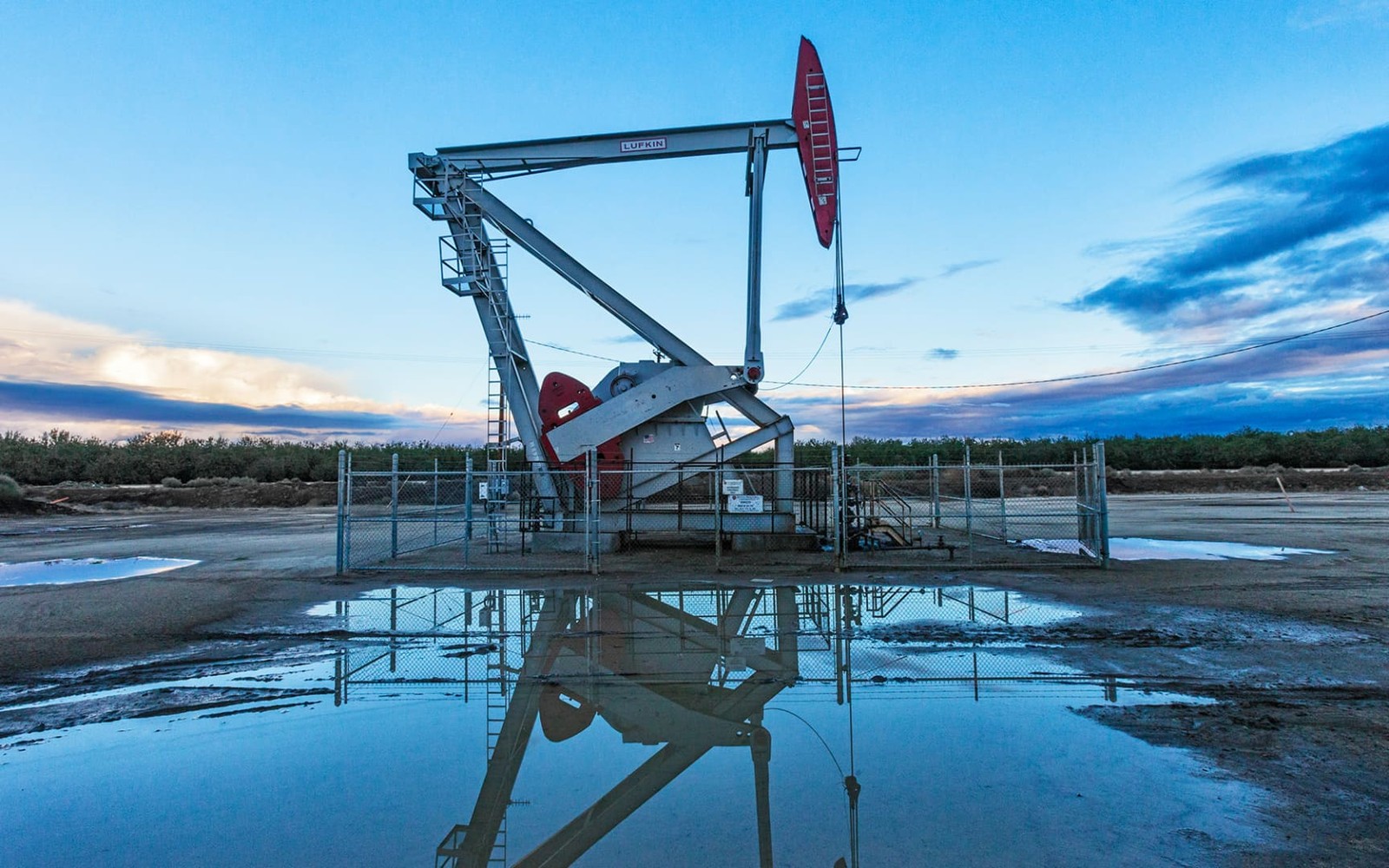
DJ Basin Mineral Rights
Few basins in the country have been reshaped by state regulation the way the DJ Basin has, and that regulatory history has to be part of any honest valuation.
The Denver-Julesburg Basin, centered on Weld County, Colorado and extending into Wyoming and western Nebraska, is a Niobrara and Codell chalk play that saw heavy horizontal development through the 2010s. Since then, Colorado's setback rules and permitting requirements have tightened significantly, changing where and how new wells can be drilled, particularly near population centers along the Front Range.
A mineral owner in Weld County today is holding an interest carrying two forces at once: strong historical well results in a productive chalk play, and a state regulatory environment that has made permitting slower and more constrained than it was a decade ago. Both belong in the conversation before you accept, or reject, any offer.
How Colorado regulation changed the development picture
Setback requirements adopted in recent years require greater distances between new wells and occupied buildings, schools, and waterways than were previously in place, which has pushed some operators to concentrate development in rural Weld County acreage away from expanding suburban growth. A tract's proximity to residential development, and not only geology, now factors into how likely future drilling is on your specific acreage.
A buyer underwriting a DJ Basin interest today needs current knowledge of where permitting stands in your township, not a general sense of the play from several years ago, since the regulatory landscape has shifted meaningfully.
Where activity remains concentrated
Despite regulatory tightening, rural Weld County remains one of the more active drilling areas in the basin, with operators including Chevron and Civitas Resources continuing multi-well pad development in areas with fewer surface-use conflicts. Acreage further from population centers has, in some cases, seen more consistent permitting activity than acreage nearer Denver's expanding suburbs.
A firm valuing your interest should be able to speak specifically to permitting activity in your section over the past twelve to eighteen months, rather than relying on outdated basin-wide activity levels.
Why regulatory risk gets priced, not ignored
An institutional buyer does not treat regulatory uncertainty as a reason to avoid the basin outright. It treats it as a risk factor to be priced into the offer, the same way commodity price risk or operator credit risk gets priced. That typically means somewhat more conservative valuations on undeveloped inventory in areas with permitting uncertainty, balanced against stronger valuations where drilling activity remains active and consistent.
What documentation helps in a regulated basin
Because permitting timelines and setback compliance vary by location in Colorado, a buyer benefits from seeing your operator's most recent permit filings or correspondence about your specific unit, alongside your division order and check history. That documentation helps separate a tract with genuine near-term development plans from one caught in a longer permitting queue.
An owner who has fielded any recent contact from their operator about surface-use agreements or permit applications should keep that correspondence on hand, since it often tells a buyer more about near-term activity than public county-level data alone.
Surface use and split-estate considerations
Many DJ Basin mineral owners hold split estates, where surface land is owned separately from the minerals beneath it, sometimes by a different party entirely. Surface-use agreements between the operator and the surface owner can affect where and how quickly a well gets drilled on your unit, which is a factor worth understanding even though you may not own the surface yourself.
A buyer familiar with the basin's split-estate patterns can better judge whether surface-access issues are likely to slow development on your specific tract relative to a unit where the mineral and surface owner are the same party.
Questions to Clear Before Closing
Each answer removes ambiguity from the property schedule, conveyance, curative list, funding condition, or delivery record.
How have Colorado's setback rules affected DJ Basin mineral values?
Setback requirements have made permitting more constrained near populated areas, which has shifted development toward rural acreage; a tract's proximity to residential growth now affects its future drilling odds and value.
Is drilling still active in the DJ Basin?
Yes, particularly in rural Weld County, where operators continue multi-well pad development. Activity has become more geographically concentrated than it was a decade ago.
Does my tract's location within Weld County matter?
Significantly. Acreage further from expanding suburban development generally faces fewer permitting obstacles than acreage near population centers, which affects near-term drilling likelihood.
Should I expect a lower offer because of regulatory uncertainty?
Regulatory risk gets factored into any responsible valuation, but it is one factor among several; a tract with strong current permitting activity in your area can still command a competitive offer.
Can regulatory conditions change again in Colorado?
Yes, state oil and gas policy has shifted multiple times over the past decade, and a buyer's valuation should account for that possibility rather than assuming current rules are permanent.
What is a comprehensive area plan in Colorado oil and gas permitting?
It is a coordinated permitting approach some Colorado operators use to plan multiple wells across a broader area at once, which can affect the pacing and location of development on nearby mineral tracts.
Clear the next closing condition
Owner, tract, fraction, lease, production, and exception records carry straight into these related closing reviews.
Want this checked against your deed, statements, lease, or written offer?
Send the county and state, owner name, operator or payor, recent statement, deed reference, lease, probate document, division order, or written offer you have.