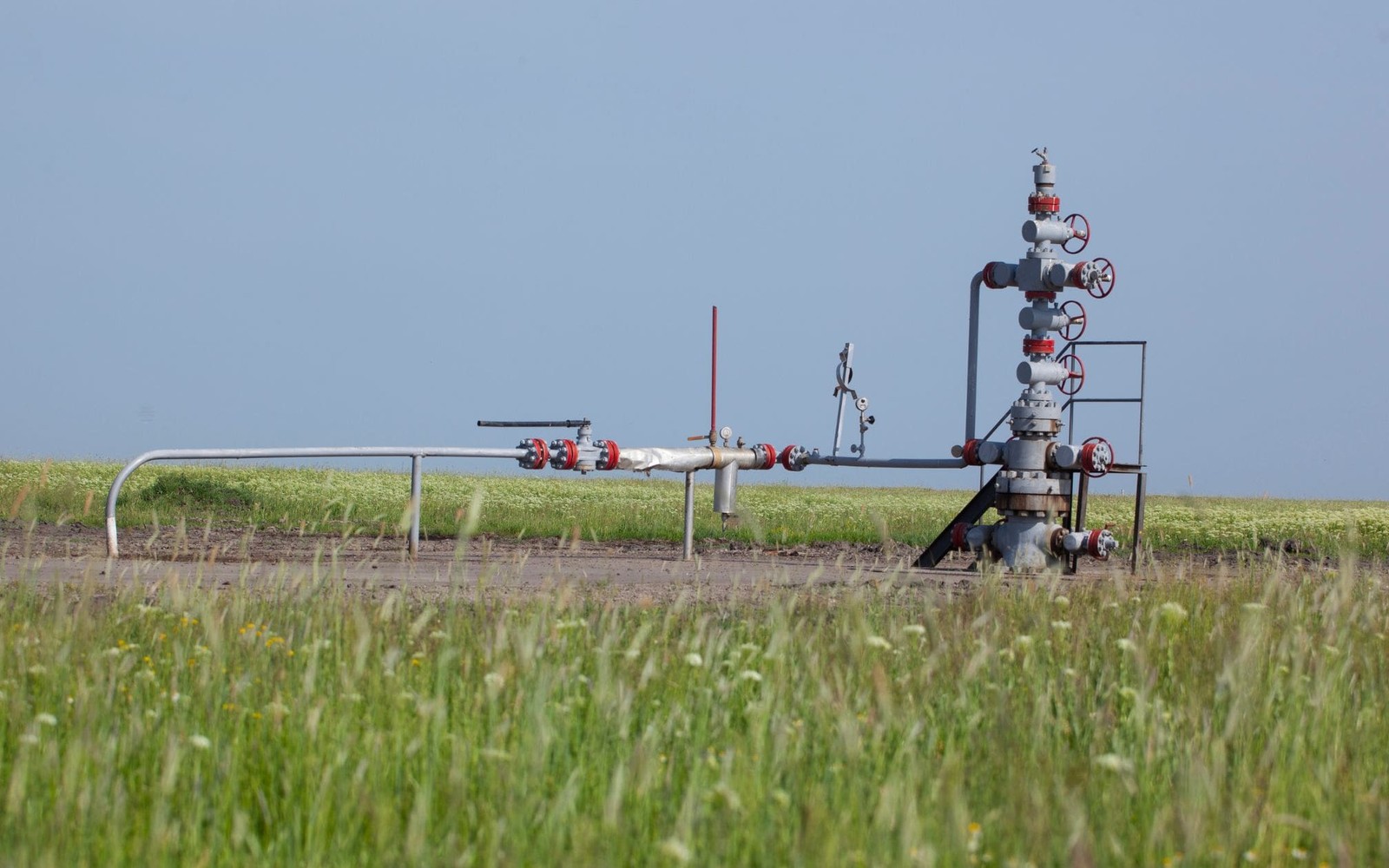
Fayetteville Shale Mineral Rights
Southwestern Energy built the Fayetteville into a major dry gas play, then largely stepped back from it, and that retreat is the single most important fact for valuing minerals here today.
The Fayetteville Shale, centered on the Arkoma Basin in north-central Arkansas across Van Buren, Conway, and Cleburne counties, was one of the significant dry gas plays developed in the mid-to-late 2000s. Southwestern Energy was the dominant operator through most of the play's active development, drilling thousands of horizontal wells before shifting the bulk of its capital toward Appalachia over the following decade.
That shift did not happen because the rock stopped producing. It happened because capital moved to basins with better relative returns, which is a pattern worth understanding if you are trying to make sense of why Fayetteville mineral offers look different than they might have ten years ago.
What happens when an operator's focus moves elsewhere
When Southwestern Energy reduced its Fayetteville drilling program, permitting activity across the play dropped sharply, and it has stayed low since. Existing wells continue producing, many of them still owned and operated by Southwestern Energy or its successors, but new drilling that would extend a mineral owner's future upside has been limited for close to a decade now.
This is a basin where valuation should center almost entirely on existing production and its remaining reserve life, with little premium assigned to undeveloped inventory that is unlikely to be drilled in the near term.
Gas price sensitivity in a dry gas play
Because the Fayetteville is essentially all dry gas, royalty income here tracks Henry Hub pricing closely, without any oil or natural gas liquids revenue to offset a weak gas price environment. That makes Fayetteville royalty income more volatile, on a percentage basis, than a mineral interest in an oil-weighted basin, even though the underlying wells decline slowly once past their early years.
A realistic frame for value here
A firm pricing a Fayetteville interest is buying a mature, gas-price-linked income stream from a basin that institutional drilling capital has largely moved past. That is a legitimate asset to own, particularly within a diversified portfolio where its behavior can offset positions in oil-weighted basins, but it is a different proposition than a mineral interest in an actively drilled play, and pricing should reflect that honestly rather than implying upside that current activity does not support.
What a fair offer looks like in this environment
A responsible buyer working in the Fayetteville will walk you through the specific wells producing on your tract, their current decline stage, and how much reserve life realistically remains, rather than quoting a generic per-acre figure detached from your actual production history. That level of detail is a reasonable thing to ask for before agreeing to any number.
It is also worth confirming who currently operates your wells, since Southwestern Energy has periodically sold or traded acreage packages, and a change in operator can affect payment timing even when the underlying wells keep producing normally.
What a diversified owner should weigh here
For an owner holding minerals in multiple basins, a mature, low-volatility asset like a Fayetteville interest can serve a useful stabilizing role even without growth potential, since it is less exposed to the swings of an actively drilled basin's permitting cycle. Deciding whether to sell should weigh that stabilizing function against your own need for liquidity now versus continued modest income over time.
Questions to Clear Before Closing
Each answer removes ambiguity from the property schedule, conveyance, curative list, funding condition, or delivery record.
Is Southwestern Energy still drilling in the Fayetteville Shale?
New drilling activity has been minimal for close to a decade, since the company shifted the bulk of its capital toward Appalachian gas assets; existing Fayetteville wells continue producing under reduced maintenance activity.
Why did Fayetteville drilling slow down so much?
Capital allocation shifted toward basins offering stronger relative returns at the time, a pattern that has affected several early-generation shale gas plays beyond this one.
Does my Fayetteville royalty check track gas prices closely?
Yes. As a dry gas play with no meaningful oil or natural gas liquids production to offset it, Fayetteville royalty income moves closely with natural gas market prices.
Should I expect an offer that includes value for future drilling?
A responsible offer on Fayetteville minerals should be based primarily on existing production and its remaining decline, since new drilling activity in the play has been limited for an extended period.
Could Fayetteville activity pick back up if gas prices rise significantly?
It is possible, since higher gas prices generally improve drilling economics across mature basins, but there is no current evidence of renewed development plans, so valuations should be grounded in today's activity levels.
Are there other operators besides Southwestern Energy active in the Fayetteville?
A handful of smaller operators hold acreage in parts of the play, though Southwestern Energy remains the dominant operator by production volume across most of the core area.
What happens to my royalty if my well is eventually plugged?
Once a well is plugged and abandoned, royalty payments from that specific wellbore stop; if no other producing wells remain on your tract, your mineral interest would then hold value primarily as a candidate for potential future development rather than current income.
Clear the next closing condition
Owner, tract, fraction, lease, production, and exception records carry straight into these related closing reviews.
Want this checked against your deed, statements, lease, or written offer?
Send the county and state, owner name, operator or payor, recent statement, deed reference, lease, probate document, division order, or written offer you have.