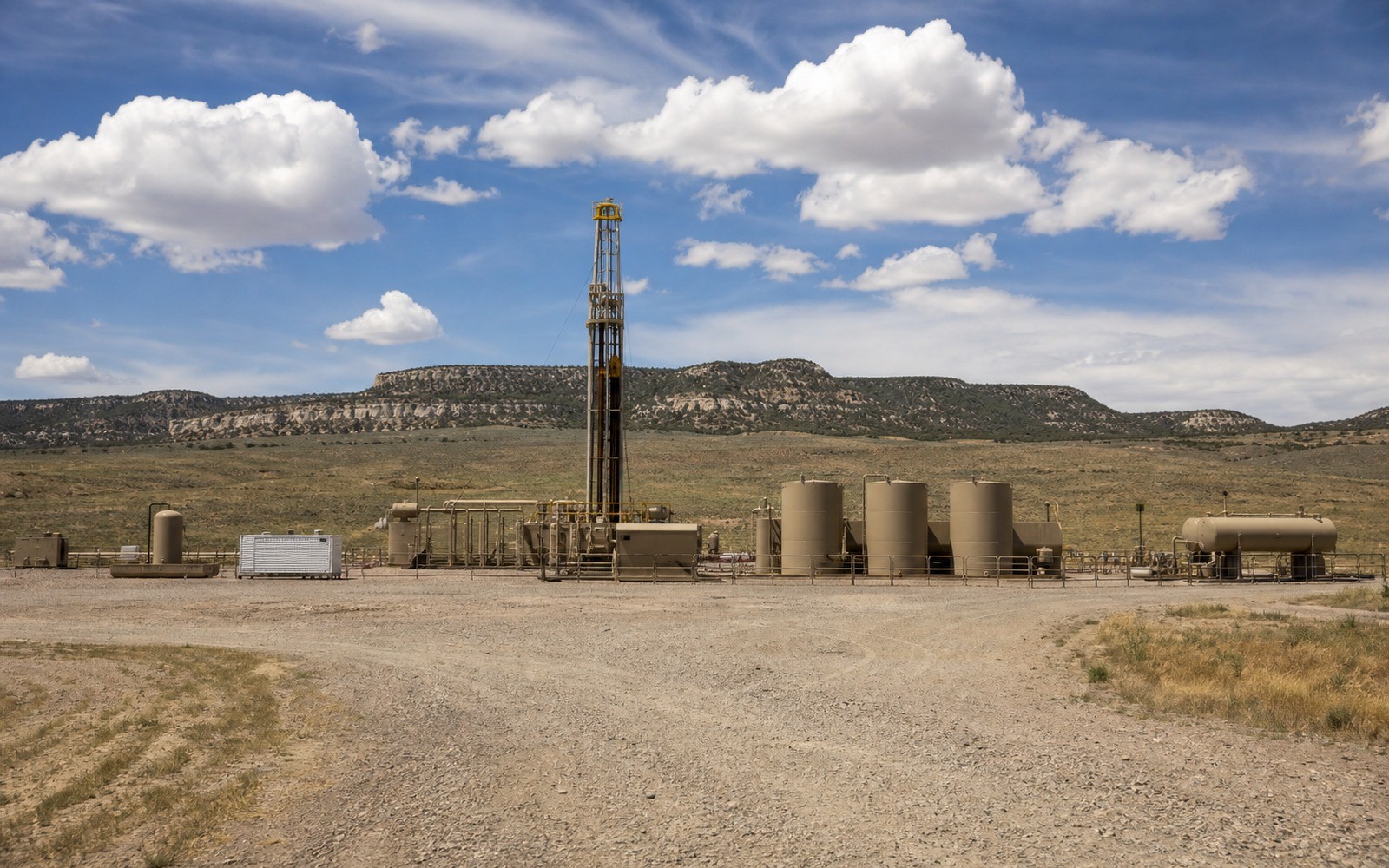
San Juan Basin Mineral Rights
The San Juan Basin has been producing gas for longer than almost any other basin in the country, and its age is the central fact in any honest valuation today.
Straddling northwest New Mexico and southwest Colorado, the San Juan Basin is one of the oldest continuously producing natural gas basins in the United States, with conventional and coalbed methane production dating back decades before the shale era began elsewhere. By most measures the basin reached its development peak years ago, and new drilling activity has been limited for an extended period as operators focused capital on newer, higher-return plays.
For a mineral owner, that long history is a double-edged fact. It means there is an unusually deep production record to evaluate, which can support confident, well-grounded valuations. It also means this is not a basin where a buyer should be promising meaningful new-well upside.
An unusually long production history
Because so much of the San Juan Basin was developed decades ago, there is an extensive public record of well performance, decline behavior, and production consistency to draw from. A buyer valuing your interest can lean on that long track record more heavily than in a newer basin where fewer years of data exist, which supports a more grounded, less speculative valuation approach.
Coalbed methane and conventional gas side by side
The basin includes both conventional gas production, some dating back to the mid-twentieth century, and coalbed methane development that expanded significantly in the 1990s. Wells from both eras continue producing today, generally at low, stable, long-tail rates typical of a fully matured basin, which is different from the volatile early-decline profile of a newer shale well.
What limited new drilling means for value
With little new permitting activity, a fair valuation here rests almost entirely on existing production and its remaining reserve life. A buyer should not be pricing in speculative future drilling that current activity levels do not support, and an owner should expect offers to reflect a mature, income-focused asset rather than a growth story.
Coalbed methane's tax credit era and its aftermath
Some of the basin's most intensive coalbed methane development in the 1990s was driven partly by federal tax credits available for unconventional gas production at the time, which encouraged drilling even where economics might otherwise have been marginal. Once those credits expired, development activity slowed considerably, which is part of why the basin's current drilling pace looks so different from its 1990s peak.
What documentation supports a fair valuation
A recent division order, twelve months of check detail, and confirmation of which specific wells on your tract remain in active production versus shut in all help a buyer price your mature interest accurately rather than defaulting to a conservative basin-wide estimate in the absence of tract-specific information.
What today's owners are typically deciding between
Most San Juan Basin owners today are weighing a straightforward choice: continue receiving modest, long-tail royalty income indefinitely, or convert that income stream into a lump sum now. Neither choice is inherently better, and the right answer depends on your own liquidity needs, tax situation, and whether you would rather manage a small recurring payment or redeploy the value elsewhere.
Why so many San Juan interests are heirship-fractionated
Because much of the basin's original leasing happened generations ago, it is common for a single producing unit to now be owned by dozens of heirs, each holding a small fraction of the original interest through inheritance. That fractionation can make even a modest tract expensive to administer relative to its monthly income, and it is one reason a lump-sum sale appeals to some owners in this basin specifically: it converts a small, split, hard-to-track interest into a single clean transaction.
A buyer working in the San Juan Basin regularly should be comfortable handling heirship documentation, probate records, and multiple-owner title chains as a routine part of closing a purchase.
Questions to Clear Before Closing
Each answer removes ambiguity from the property schedule, conveyance, curative list, funding condition, or delivery record.
How old is production in the San Juan Basin?
Some conventional gas production dates back to the mid-twentieth century, with coalbed methane development expanding significantly in the 1990s, making this one of the longest continuously producing gas basins in the country.
Is new drilling happening in the San Juan Basin now?
New drilling activity has been limited for an extended period as operators have focused capital on newer, higher-return basins; most current value reflects existing, mature production.
Does a long production history make valuation easier?
In some ways yes, since there is an extensive public record of well performance to draw from, which supports a grounded valuation less dependent on speculative assumptions.
Should I expect an offer that reflects future drilling upside?
A responsible offer here should be based primarily on existing production and remaining reserve life, since current activity levels do not support significant new-well speculation.
Are there tax considerations specific to selling a long-held mineral interest?
Yes, capital gains treatment depends heavily on your basis in the interest, which can be complex for minerals held or inherited decades ago; a CPA familiar with mineral transactions can clarify your specific situation.
Does the San Juan Basin span both New Mexico and Colorado?
Yes, the basin straddles the state line, with the bulk of historical development concentrated in northwest New Mexico and a smaller portion extending into southwest Colorado.
Does the basin produce any oil alongside its gas?
The San Juan Basin is predominantly a gas basin, both conventional and coalbed methane, with only limited oil production in certain areas, so valuations should be built primarily around gas price exposure.
Why do I only own a small fraction of my family's original interest?
Because so much of the basin's original leasing dates back generations, interests here are commonly split among many heirs through inheritance over time, which is a normal pattern in a basin this old rather than a sign of a title problem.
Clear the next closing condition
Owner, tract, fraction, lease, production, and exception records carry straight into these related closing reviews.
Want this checked against your deed, statements, lease, or written offer?
Send the county and state, owner name, operator or payor, recent statement, deed reference, lease, probate document, division order, or written offer you have.