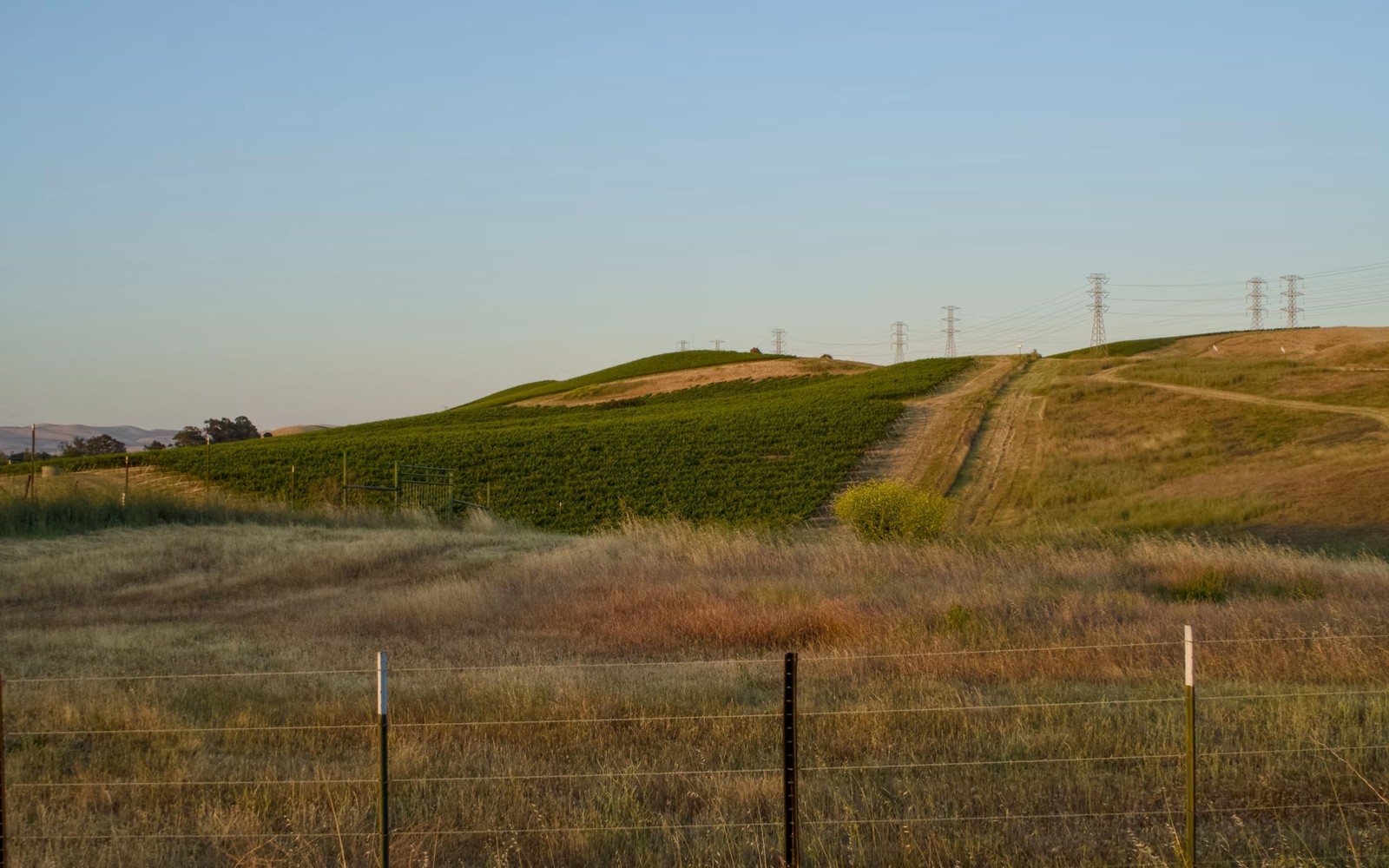
Non-Producing Minerals
No royalty check does not mean no value. It means the value is priced differently.
Non-producing mineral rights are the category most owners assume are worthless, and the category we quote most often anyway. No well has ever been drilled on your acreage, or the one lease that existed years ago expired without anything happening. There is no royalty statement to point to, no production history to run numbers against. What remains is raw subsurface ownership in whatever county your family's land happened to be.
That ownership still has a market. It is priced against a different set of inputs than a producing interest: play position, spacing unit geometry, and what operators are doing on the acreage immediately around yours, rather than a history of monthly checks.
What determines value without a production history
Absent a check to point to, valuation shifts to comparables and geology. Where does your tract sit relative to the productive core of the play versus its flank? Are operators actively permitting and drilling on adjacent sections, suggesting your acreage is in the near-term path of development, or is the surrounding area quiet, suggesting a longer wait or no interest at all?
We also look at whether your acreage has ever been leased before, even if that lease has since expired. A history of lease activity, even without a well, tells us operators have evaluated the tract and found it worth paying a bonus for at some point, which is a meaningful data point even years later.
Core versus flank acreage
Every active play has a core area where wells consistently produce well and a flank where results are more variable or where operators have simply not yet tested the rock. Non-producing acreage in the core of an active play can carry real value purely on the expectation of future leasing and drilling. The same acreage on the flank, or outside the current boundary of active development, is priced more conservatively, though it is rarely worth nothing given how quickly play boundaries have expanded historically as completion techniques improve.
We tell you plainly which category your tract falls into based on current activity, rather than pricing every non-producing interest the same way regardless of location.
Why sell an interest with no current income
Non-producing minerals still show up on property tax rolls in some counties, still generate estate complexity for whoever inherits them next, and still require someone to track lease offers, deed requests, and division order paperwork if anything does eventually happen. For owners who would rather convert a speculative, illiquid position into cash now, selling removes that ongoing administrative overhead in exchange for a number today rather than an uncertain payoff on an uncertain timeline.
For owners who see genuine upside in holding, particularly acreage in an area with visibly increasing permit activity, waiting can make sense. We give you our honest read either way rather than pushing a sale regardless of the underlying picture.
How we structure the offer
Because there is no royalty stream to base a multiple on, we price non-producing interests using acreage, play position, and comparable recent activity in the county, with the figure hedged to reflect genuine uncertainty rather than presented as precise. We walk through the reasoning behind the number so you understand what is driving it, beyond the total figure alone.
Questions to Clear Before Closing
Each answer removes ambiguity from the property schedule, conveyance, curative list, funding condition, or delivery record.
If my minerals have never produced anything, why would you buy them?
Non-producing acreage in an active or expanding play still has value tied to future leasing and drilling potential, priced against play position and offset activity rather than existing income.
How do you value land with no production history at all?
We look at where your tract sits relative to the play's productive core, recent permit and lease activity nearby, and any historical lease bonuses paid on the tract, even from expired leases.
Should I wait until the area gets more active before selling?
That depends on where your tract sits today. If it's already in an area with rising permit activity, waiting may increase value. If it's on the flank with little activity, the timeline for that could be long.
Do I need a lease in place to sell my mineral rights?
No. We buy leased and unleased interests alike, and an unleased interest actually gives us more flexibility to negotiate lease terms after purchase.
Will I owe taxes if I sell a non-producing interest?
A sale can still trigger capital gains depending on your basis, even with no recent income. Confirm the details with your CPA before closing.
How long does it typically take to get an offer on non-producing acreage?
Slightly longer than a producing interest, since we're reviewing county activity and comparable data rather than an existing division order statement, but most quotes are still ready within a week or two of receiving your deed information.
Does mineral tax status on the county rolls affect the sale?
It can factor into our review since it confirms current ownership and legal description, but it's not a barrier to selling. We'll flag anything unusual we find during the title check.
Clear the next closing condition
Owner, tract, fraction, lease, production, and exception records carry straight into these related closing reviews.
Want this checked against your deed, statements, lease, or written offer?
Send the county and state, owner name, operator or payor, recent statement, deed reference, lease, probate document, division order, or written offer you have.